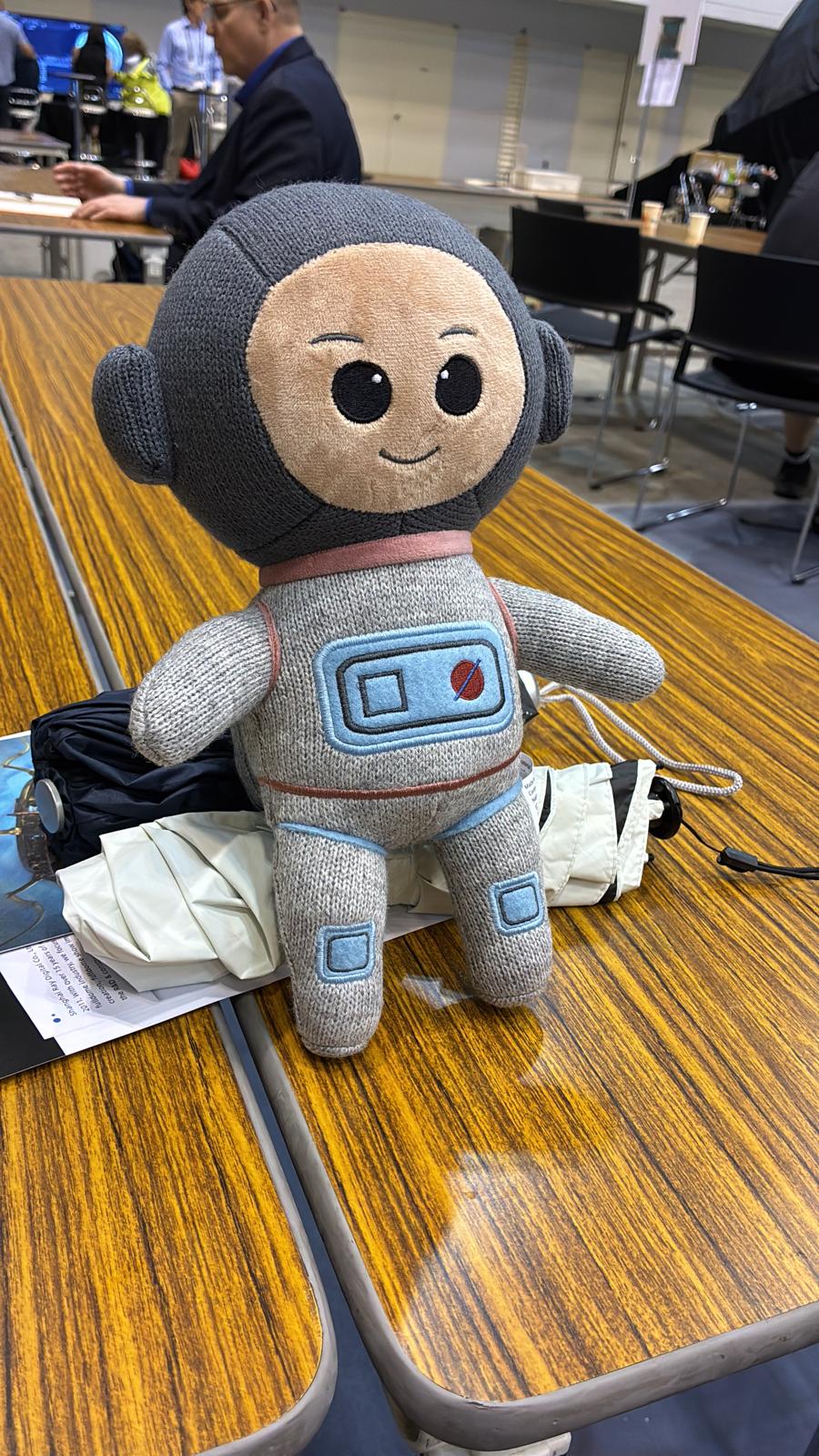

Every two years the International Planetarium Society holds a conference that gathers the people who run planetariums. This year it was held in Fukuoka, on the southern Japanese island of Kyushu, hosted by the Fukuoka City Science Museum. Around 1,000 people came, from more than 50 countries. The theme was One Earth, One Sky.
We went for a simple reason. WonderDome visits hundreds of schools a year, and we wanted to see what the best planetariums in the world are doing so we can bring some of it back with us. Here is what stayed with us.
The welcome
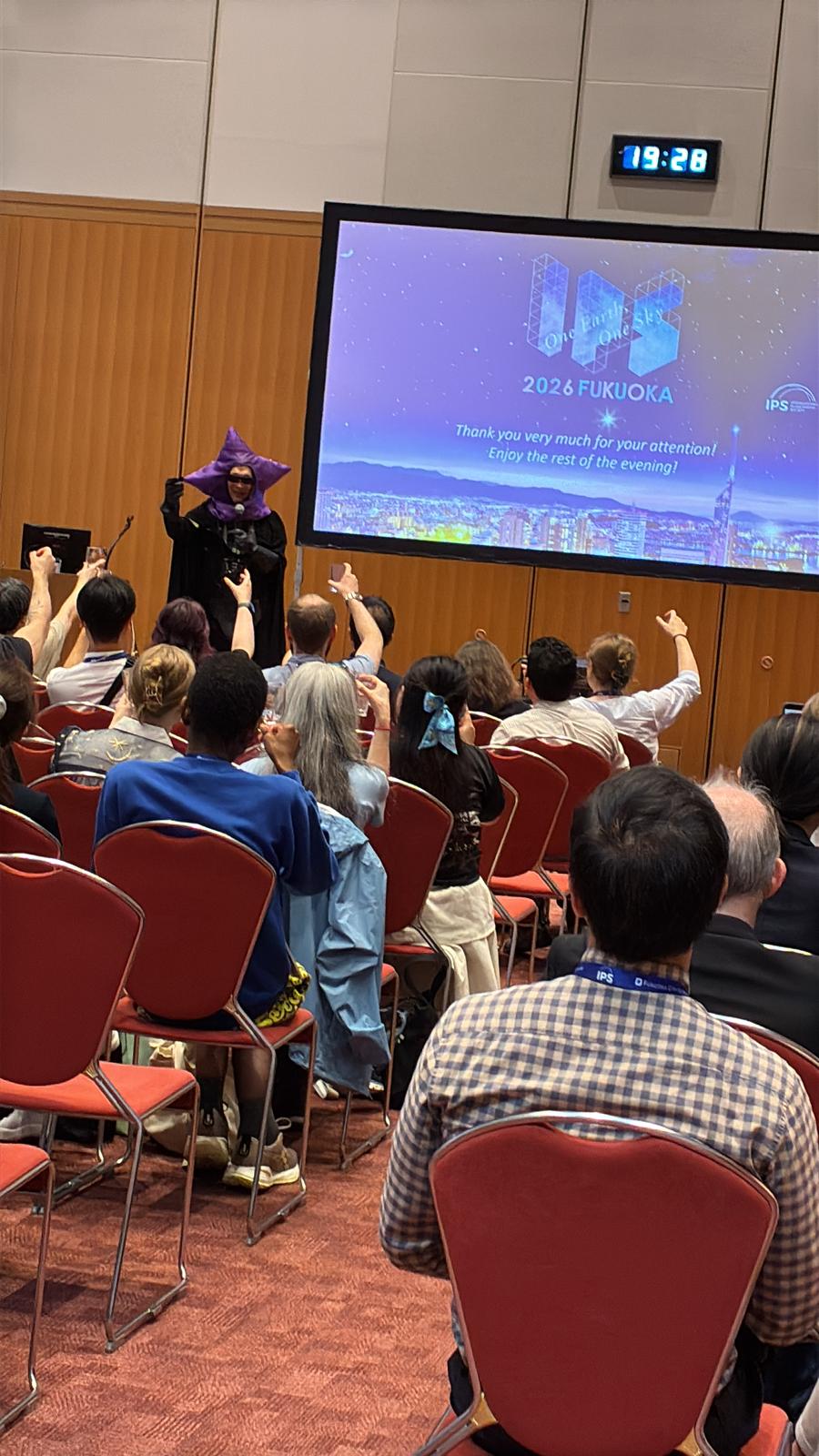
The opening ceremony had live music and a proper sense of occasion. There is something slightly strange and lovely about walking into a room full of strangers and realising that every one of them has spent years thinking about how to get children to look up.
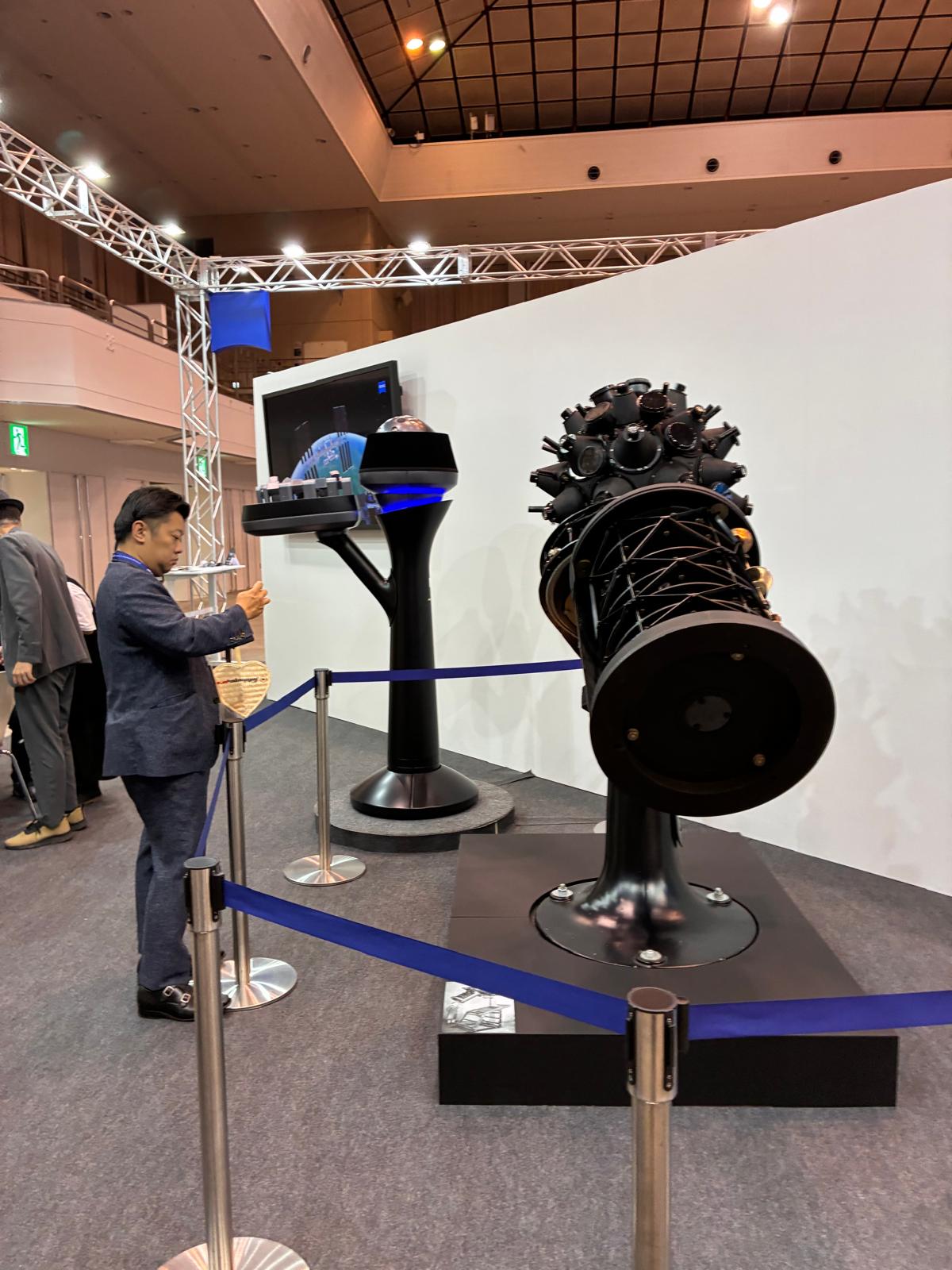
This was the first IPS conference since the planetarium passed its hundredth birthday. Seeing an early opto-mechanical star projector displayed next to a current model made that history feel concrete. The technology has changed almost beyond recognition.
The films have got very good
The Fulldome Festival ran alongside the conference, and we spent a lot of it in the dark watching short films made for the curved screen.
What we saw was a step up on two or three years ago. More studios are making shorter pieces, which suits a school visit far better than a 40 minute feature, and the science is being handled with more care. We came away with a shortlist of content to look at properly for the coming academic year.
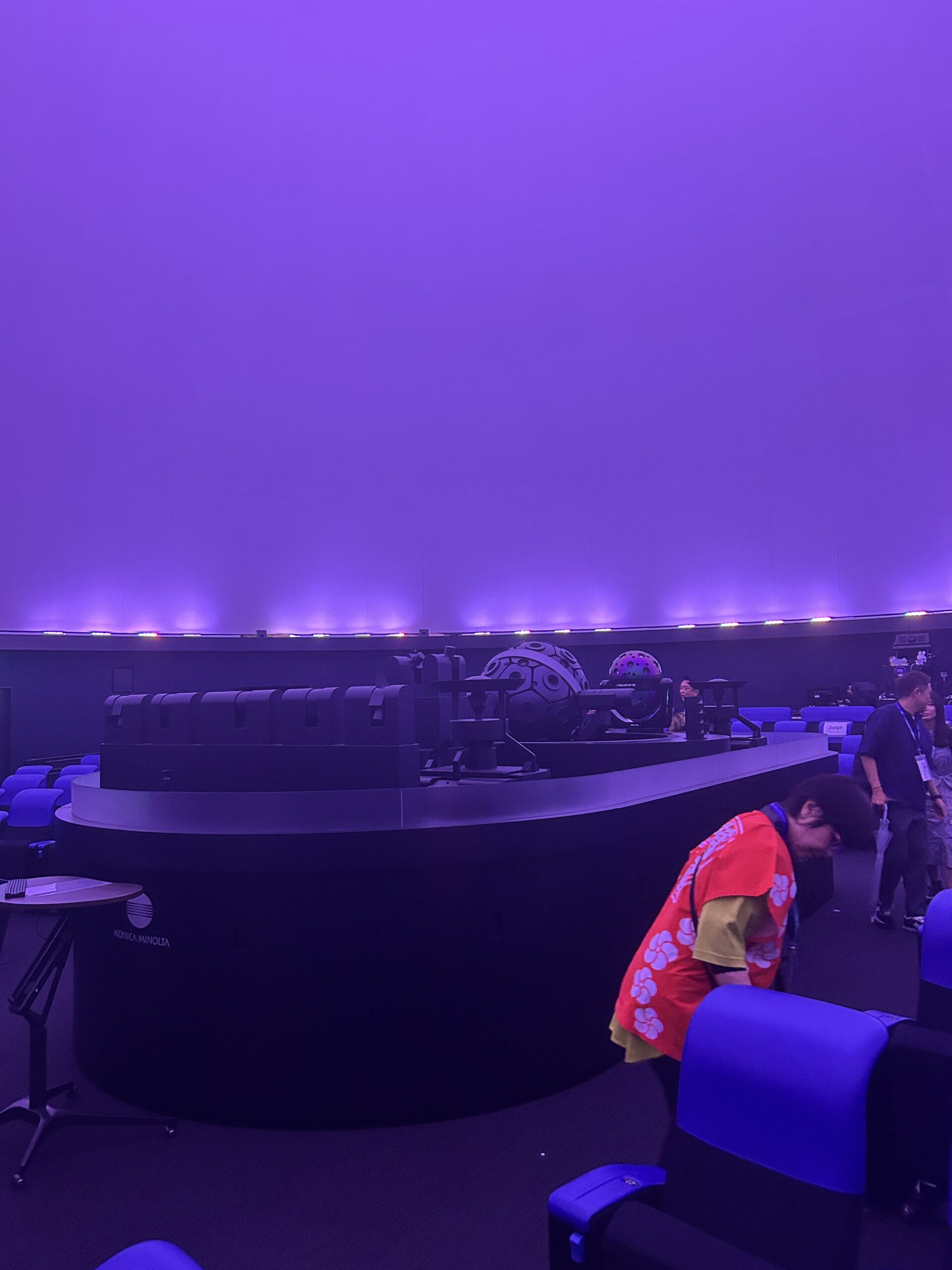
OpenSpace, which may change how we work
The session we keep talking about was on OpenSpace.
OpenSpace is free, open-source astronomy visualisation software, developed with support from NASA and Linköping University in Sweden, and used by planetariums, museums and universities around the world. It renders the known universe from real observational data, and it scales from a laptop up to a 30 metre dome. Crucially for us, it runs on portable inflatable domes too.
What that means in practice is that a show stops being a fixed film and becomes something we can fly. Instead of pressing play, we can take a class from their own school playing field out past the Moon, follow a live spacecraft trajectory, pull back until the whole Milky Way is below us, and go wherever the questions take us. If a Year 5 class wants to know what Mars actually looks like on the ground, we can go and look, using the real terrain data.
We are working through what it would take to run this properly in our domes. It is not a small piece of work, and we would rather do it well than quickly, but it is the most exciting thing we saw all week.
The other mobile planetarium people
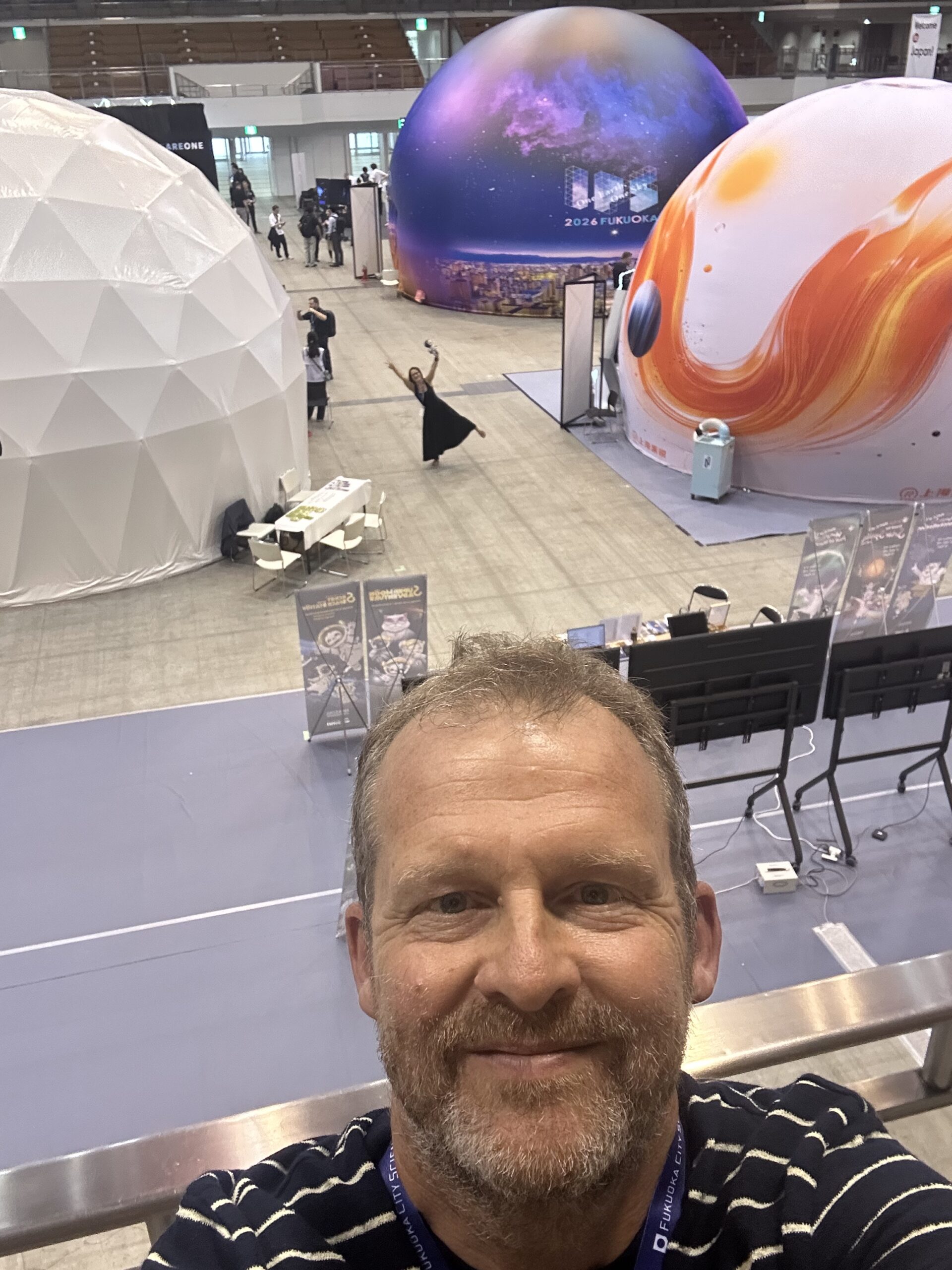
One of the real values of a conference like this is finding the handful of people doing exactly what you do, several thousand miles away.
We spent a good while with mobile planetarium operators from other countries.
Everyone had a slightly different stories, and everyone learned something. We certainly did.
3D printed planets
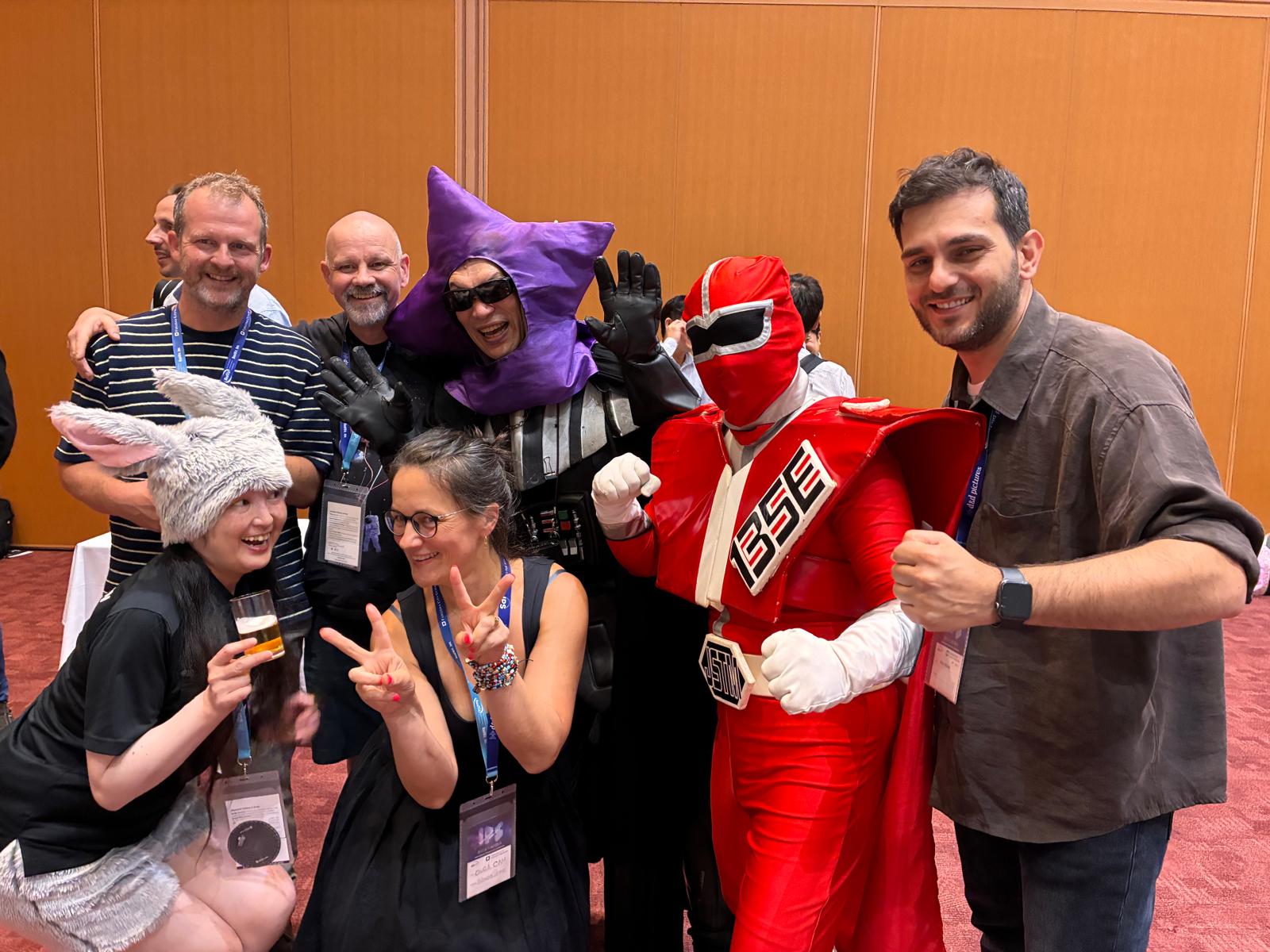
We also met a maker producing 3D printed planets, textured from real surface data, at a scale you can hold.
This is a genuinely good idea for schools, and one we plan to introduce. The dome gives children the sense of scale and the sense of awe. A physical object they can pick up and pass along the row gives them something entirely different, and the two work together better than either does alone. Watch this space.
Japan itself
We would be underselling the trip if we only wrote about the conference.
Japan was a pleasure. People were extraordinarily kind, patient with our complete lack of Japanese, and everything ran precisely on time. We travelled on the bullet trains, which are as good as everyone says. We ate very well, and the food was fresh and light in a way that made us reconsider a few things about our own kitchens. We visited an onsen, a natural hot spring bath, and understood immediately why the Japanese build their weekends around them.
We also arrived in the middle of the rainy season, which is exactly as wet as it sounds. Worth knowing if you are ever planning a June trip.
What this means if you book us
Conferences can be a nice week away that changes nothing. This one will not be.
Three things are already in motion. We are evaluating OpenSpace for live, flyable shows rather than fixed films. We are bringing 3D printed planets into our school visits. And we have a shortlist of new fulldome content to assess for the year ahead.
Every school that books WonderDome is getting a service shaped by what the best planetariums in the world are doing right now. That is the point of going.
The next IPS conference is in Buenos Aires in 2028. We fully intend to be there.