

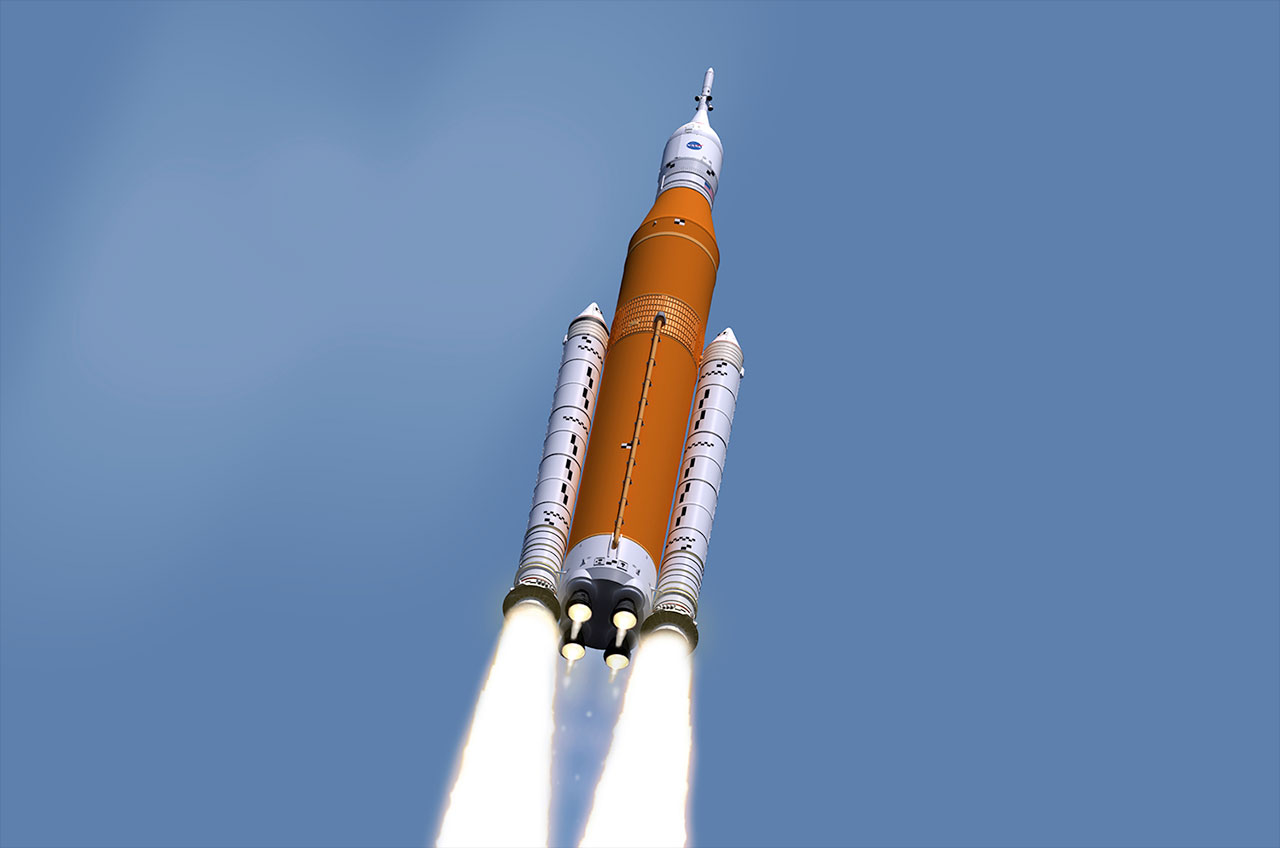
In a recent blog, we saw an overview of the Artemis missions, NASA’s return to the Moon.
Artemis 1, in 2024, saw an unmanned test flight for the rocket and crew module.
Coming up soon is the second step in NASA’s new lunar landing project.
So in this blog, we’ll take a closer look at Artemis 2.
And we’ll see how you can go to the Moon!
:max_bytes(150000):strip_icc():focal(749x191:751x193)/moon-nasa-101023-tout-7b92c96657934327900fce6c44625aa7.jpg)
The Moon: NASA
The second Artemis mission is another test flight to further evaluate the launch system and crew capsule.
It’s the first of the project to carry astronauts.
The astronauts will not land on our nearest neighbour in space.
Instead it will fly around the Moon before returning home.
The mission will last 10 days.
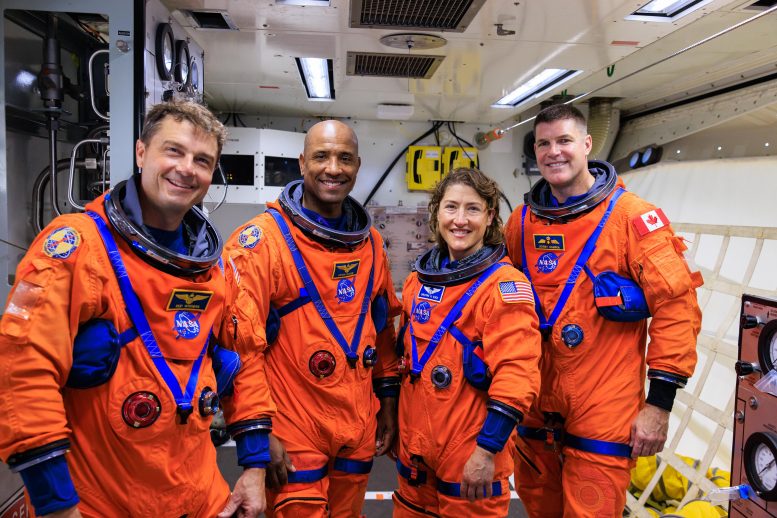
Artemis 2 astronauts: NASA
Artemis 2 will take astronauts nearer to the Moon than any spaceflight since December 1972.
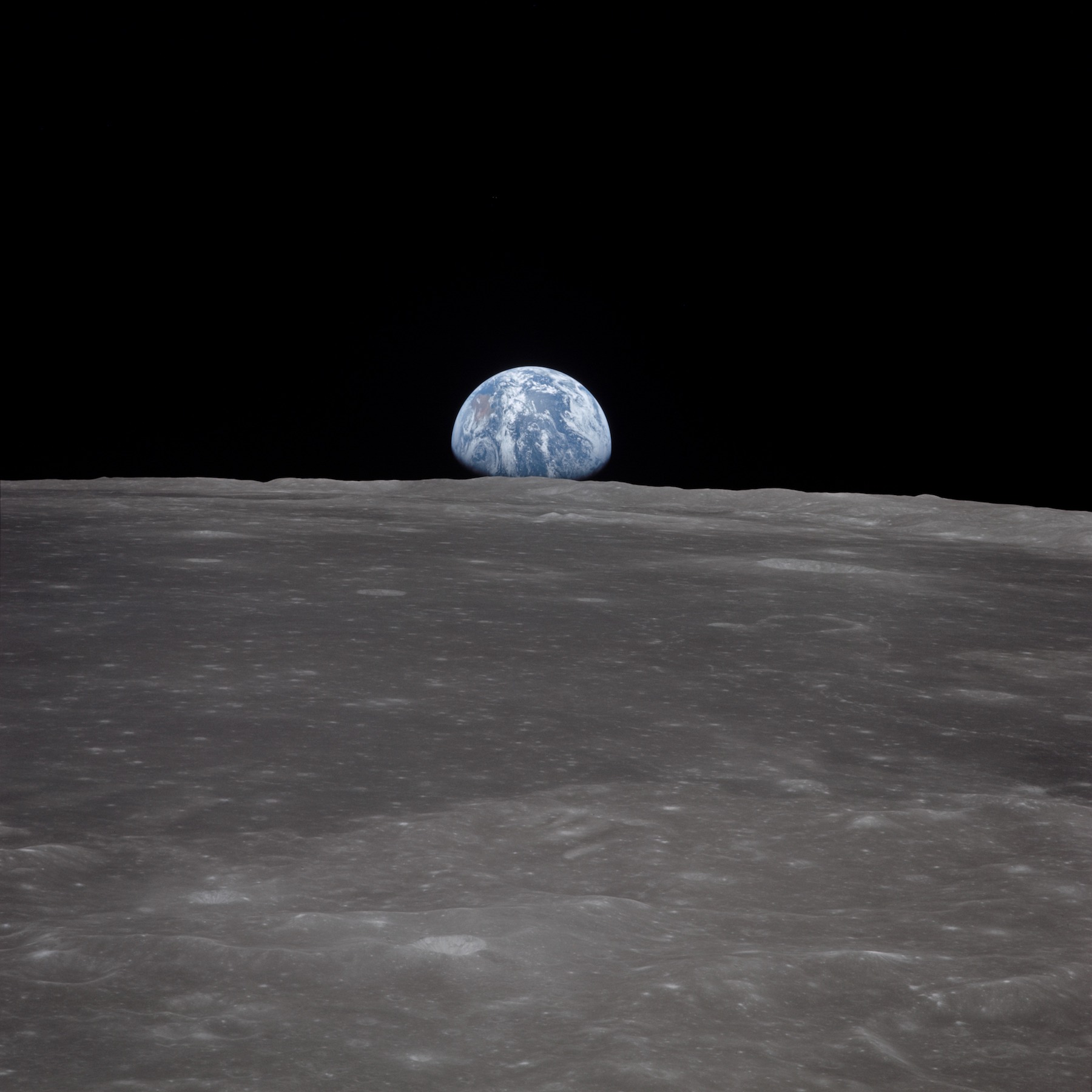
It is reminiscent of the Apollo 8 mission in December, 1968.
Then astronauts Jim Lovell, Frank Borman and William Anders orbited the Moon.
It was a precursor to Apollo 11, just as Artemis 2 will precede the Artemis 3 landing mission.
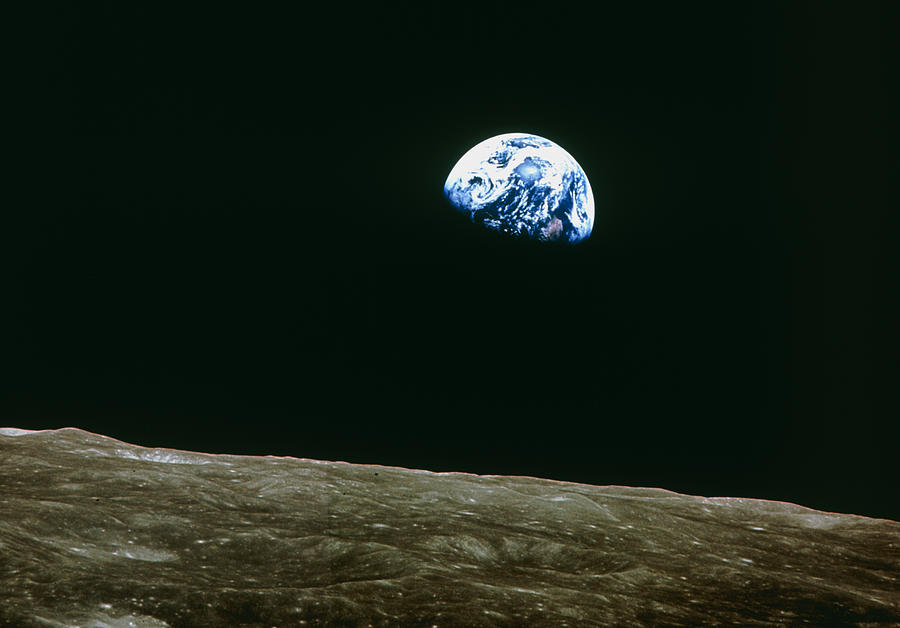
Earth rise over the Moon, Apollo 8: NASA
Launch date
The launch should take place in early 2026, no later than April.
The current hope is that Artemis 2 will lift off in early February.
The launch window is a few days beginning on February 6th.
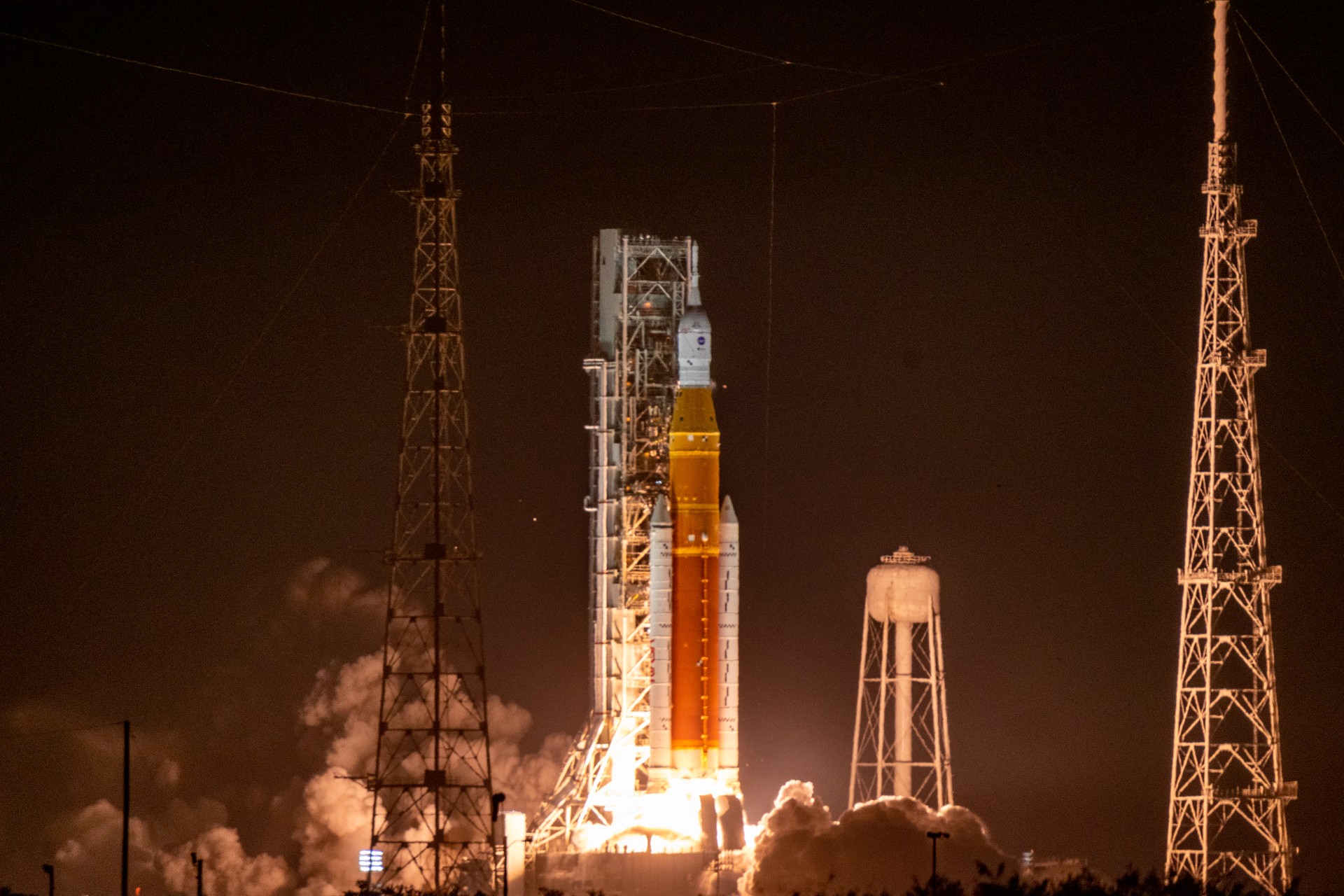
Artemis 1 lift off: NASA
Launch facility
Artemis will launch from Kennedy Space Centre in Florida.
It will leave from launch pad 39B.
This is where the Apollo missions blasted off.

Artemis 2 on launch pad: NASA
The Rocket
The rocket that will launch the Artemis missions is the Space Launch System, SLS.
It’s name echoes the Space Shuttle designations of STS, the Space Transportation System.
SLS is the most powerful rocket NASA has ever made.
It stands 332 feet tall, taller than the Statue of Liberty.
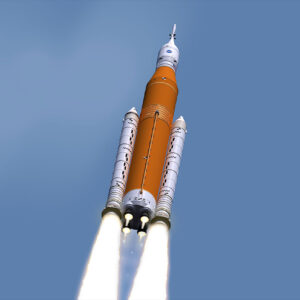
SLS: NASA
The orange core stage holds 733,000 gallons of liquid hydrogen and liquid oxygen.
This is the fuel for four RS-25 rocket engines which will power the payload into orbit.
The two white booster rockets contain solid fuel.
They are upgrades from the Space Shuttle programme.
When they ignite at launch, the boosters will supply 75% of the power for the first 2 minutes from lift off.
The fuel is aluminium powder with an ammonium perchlorate oxidant.
The Spacecraft
The Orion capsule will take astronauts to the Moon.
It consists of a crew compartment and a service module, following the pattern of the Apollo craft.
However Orion will carry four astronauts, one more than Apollo.
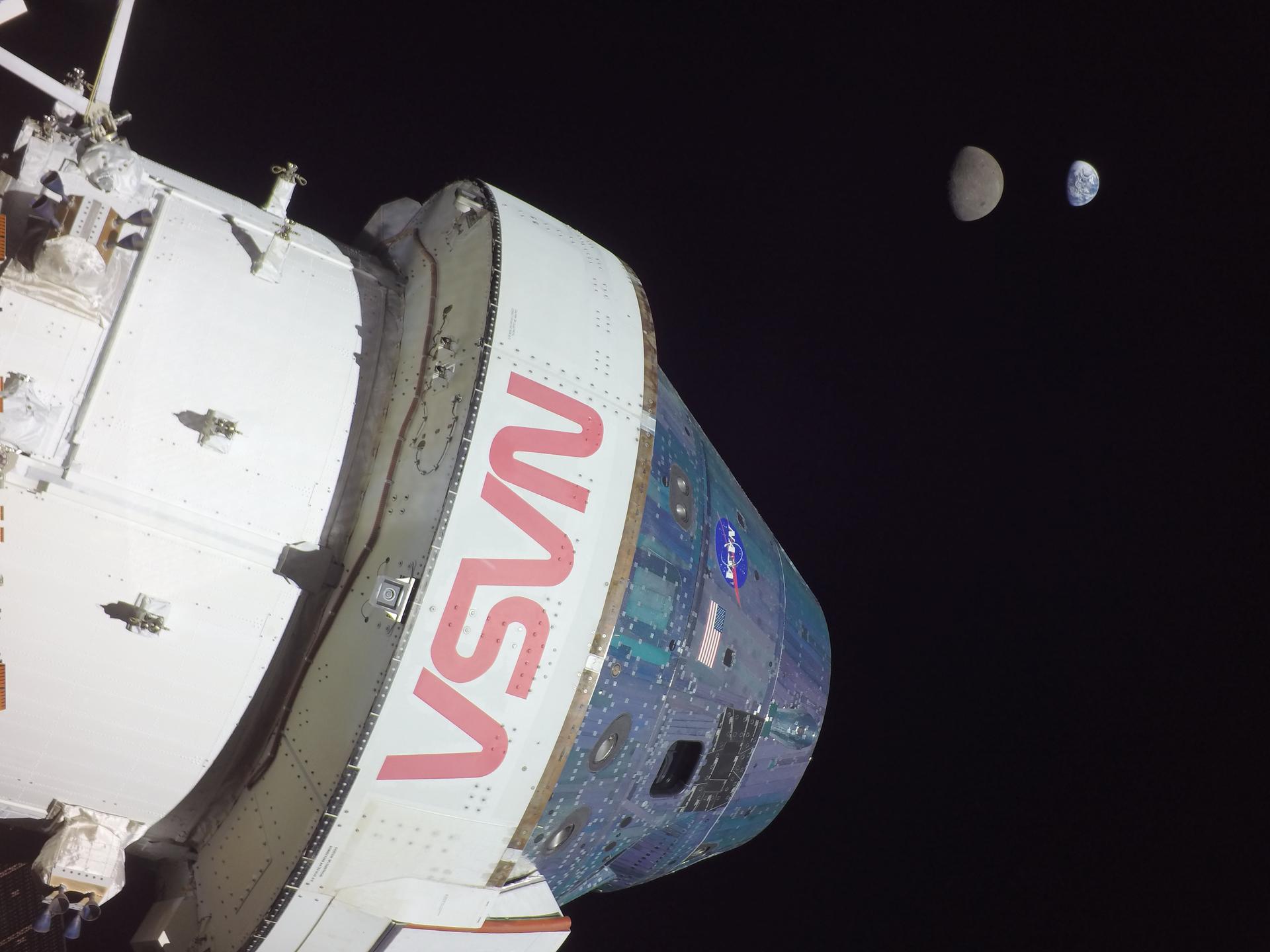
Orion, Artemis 1 mission, with Earth & Moon: NASA
Crew Module
The crew module is 5 metres wide and 3.3 metres tall (11 feet x 16′ 6″).
The craft is made from an aluminium-lithium alloy and weighs around 8.5 tons. .
It is the only part of the spacecraft that will return to Earth.
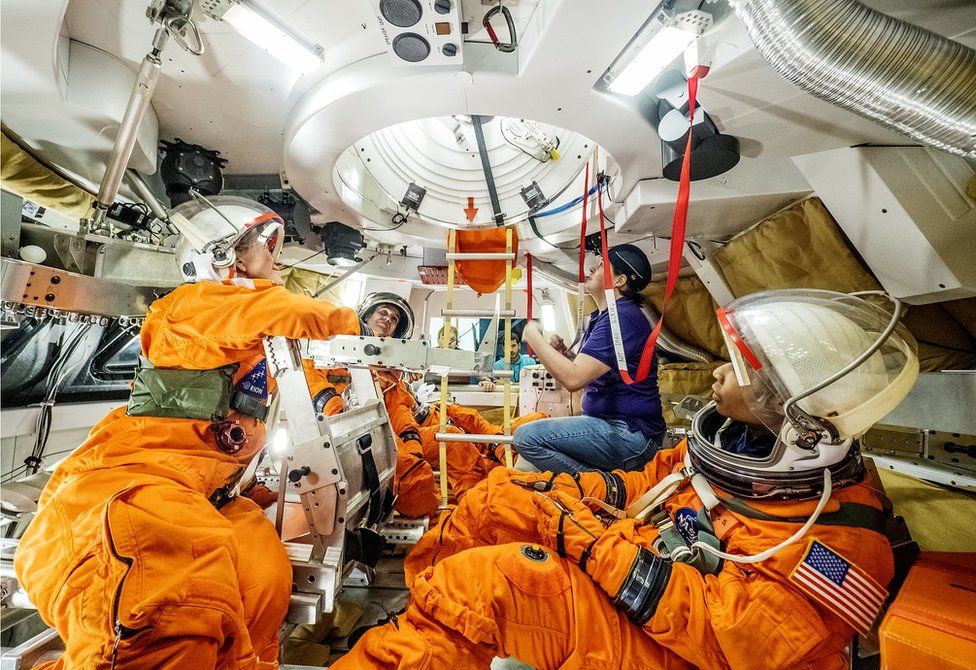
Inside Orion: NASA
Service Module
The service module is attached to the crew module.
It provides electricity, temperature control, air, water and propulsion for Orion.
The module was suppied by ESA, the European Space Agency.
It measures 5 x 4 metres, 16 feet x 13 feet.
Like the crew module, it’s made from an aluminium- lithium alloy.

Artemis 2 service module, showing the AJ10 engine and thrusters: ESA
ESA’s AJ10 engine will power Orion from Earth orbit to the Moon.
There are 8 additional thrusters to help manoeuvre the spacecraft.
The European service module provides life support to the astronauts for 21 days.
Artemis 2’s mission is scheduled to last 10 days.
Launch Abort System
Going into space is dangerous.
A rocket is like a huge bomb, packed with highly explosive fuel.
Launch and landing are the two most dangerous times in any space flight.
The Launch Abort System is designed to save the astronauts if something goes wrong on lift off.
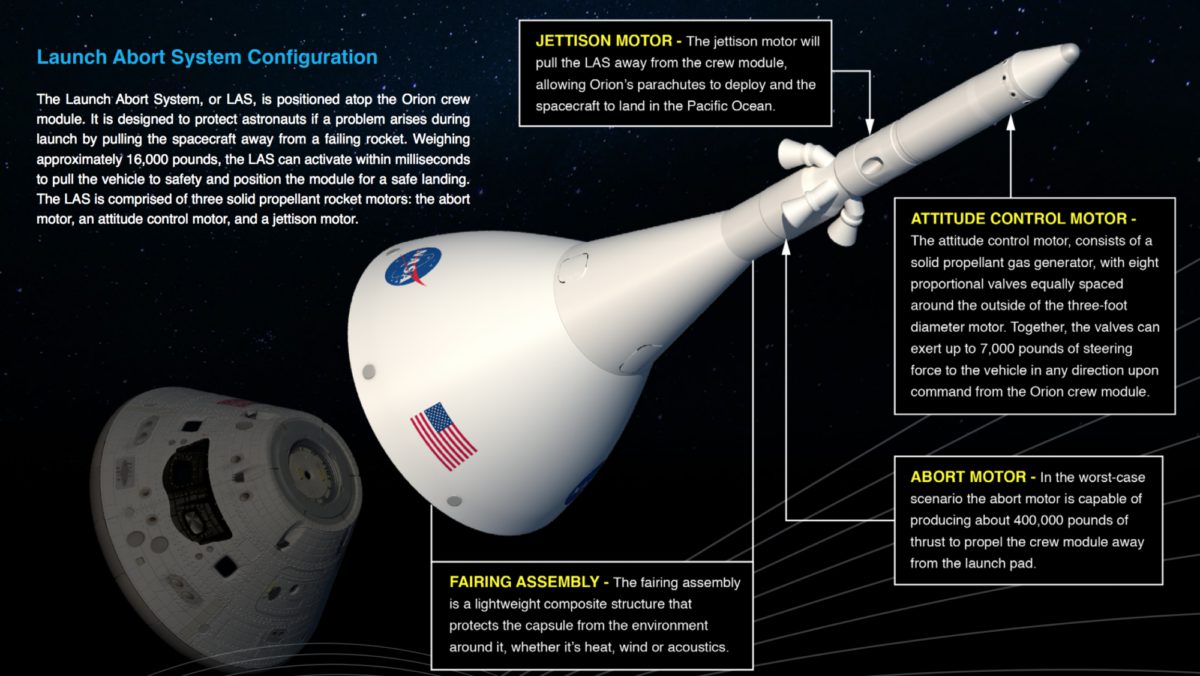
Launch Abort System: NASA
In an emergency, a solid rocket motor in the LAB will fire.
It will separate the crew module from the SLS and pull them away to safety.
That’s the theory. Let’s hope we never have to see it put to the test on a real launch.
Let’s take a look at the four brave astronauts who will fly on Artemis 2.
The Astronauts
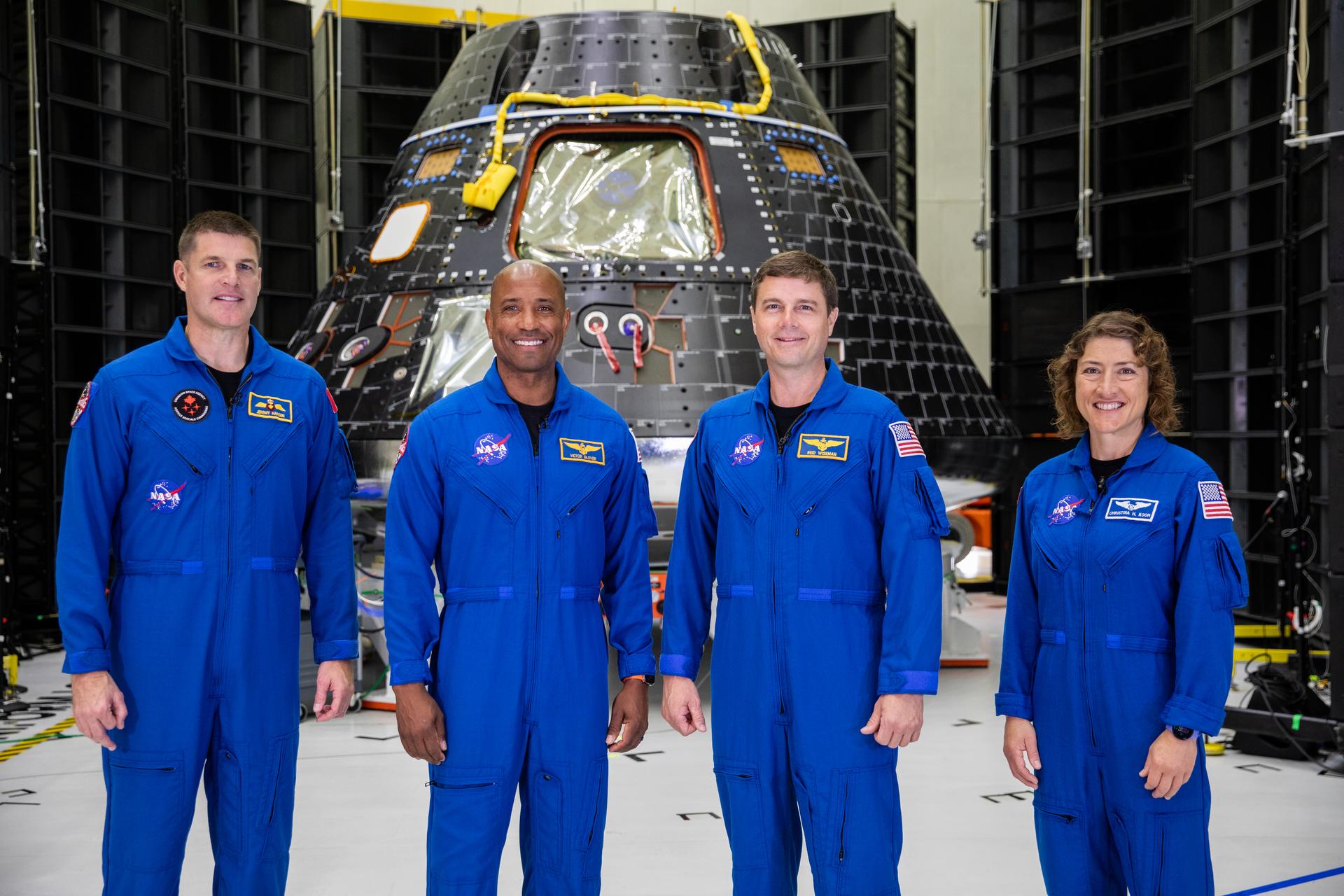
Artemis 2 astronauts in front of Orion: NASA
Commander: Reid Wiseman

Mission commander Reid Wiseman is a veteran astronaut.
In 2014, he spent 165 days on the International Space Station.
He was chief of the Astronaut Office from 2020 to 2022.
Wiseman is 47 years old.
Pilot: Victor Glover
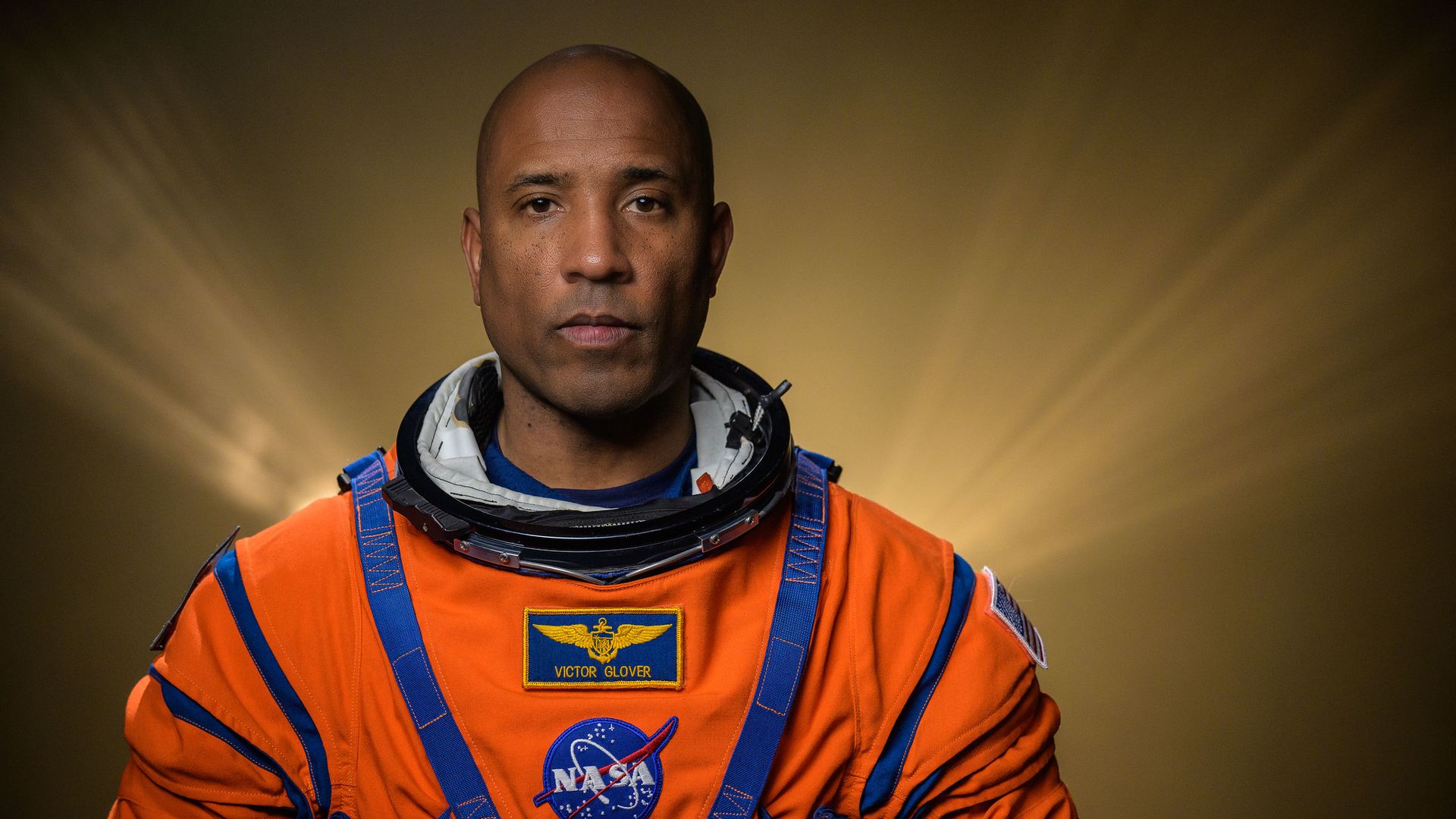
Victor Glover has also been to the International Space Station, ISS.
He was pilot on Space X crew-1 in 2021.
Glover spent 168 days in space, conducting scientific investigations.
He went on four space walks.
As Artemis 2 pilot, he will be responsible for flying Orion around the Moon.
Glover is 46 years old.
Mission Specialist: Christina Koch
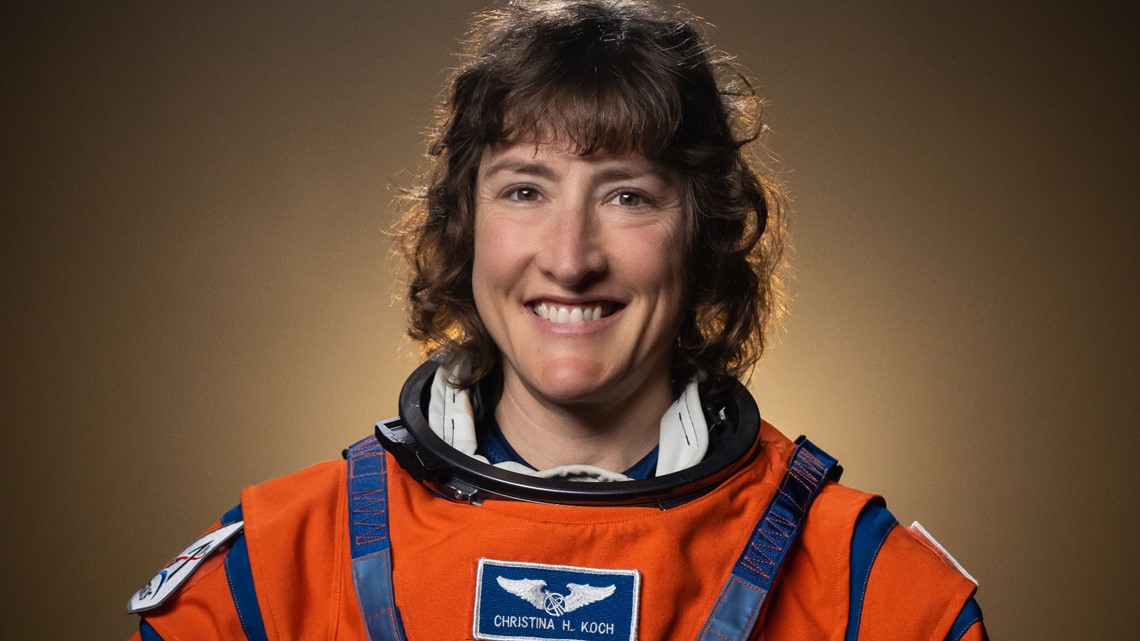
Christina Koch is 44 years old and has also made the trip to ISS, as a mission engineer.
She holds the record for the longest single space flight by any woman, at 328 days.
Along with Jessica Meir, she took part in the first all-female space walk in 2023.
Her engineering experience will play an important part in the mission.
Mission Specialist: Jeremy Hansen
Jeremy Hansen will be the first Canadian to travel beyond Earth orbit.
He was a pilot in the Royal Canadian Air Force before joining the astronaut corps.
Hansen is 47 years old and this will be his first space flight.
His role is to carry out scientific and technological investigations.
The Journey
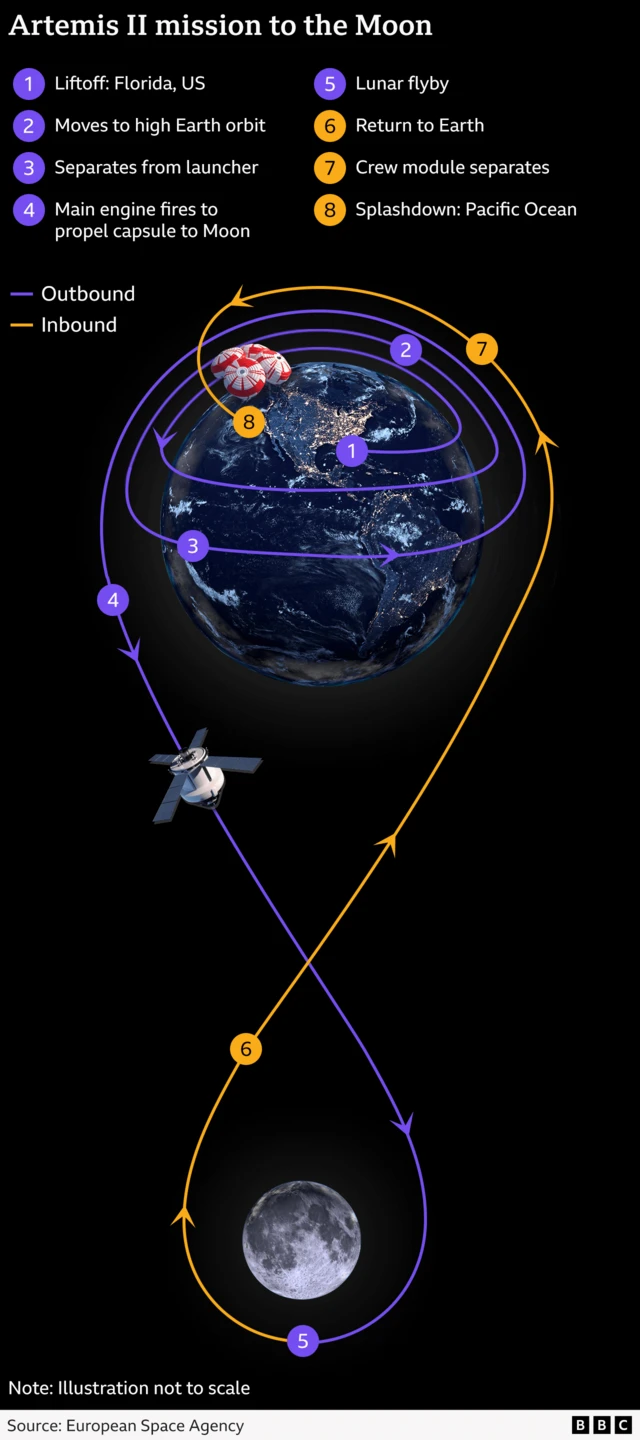
- After lift off, the solid rocket boosters will separate at 30 miles high and a speed of 3,100 mph.
The core stage will take Orion into Earth orbit at a height of 1,400 miles.
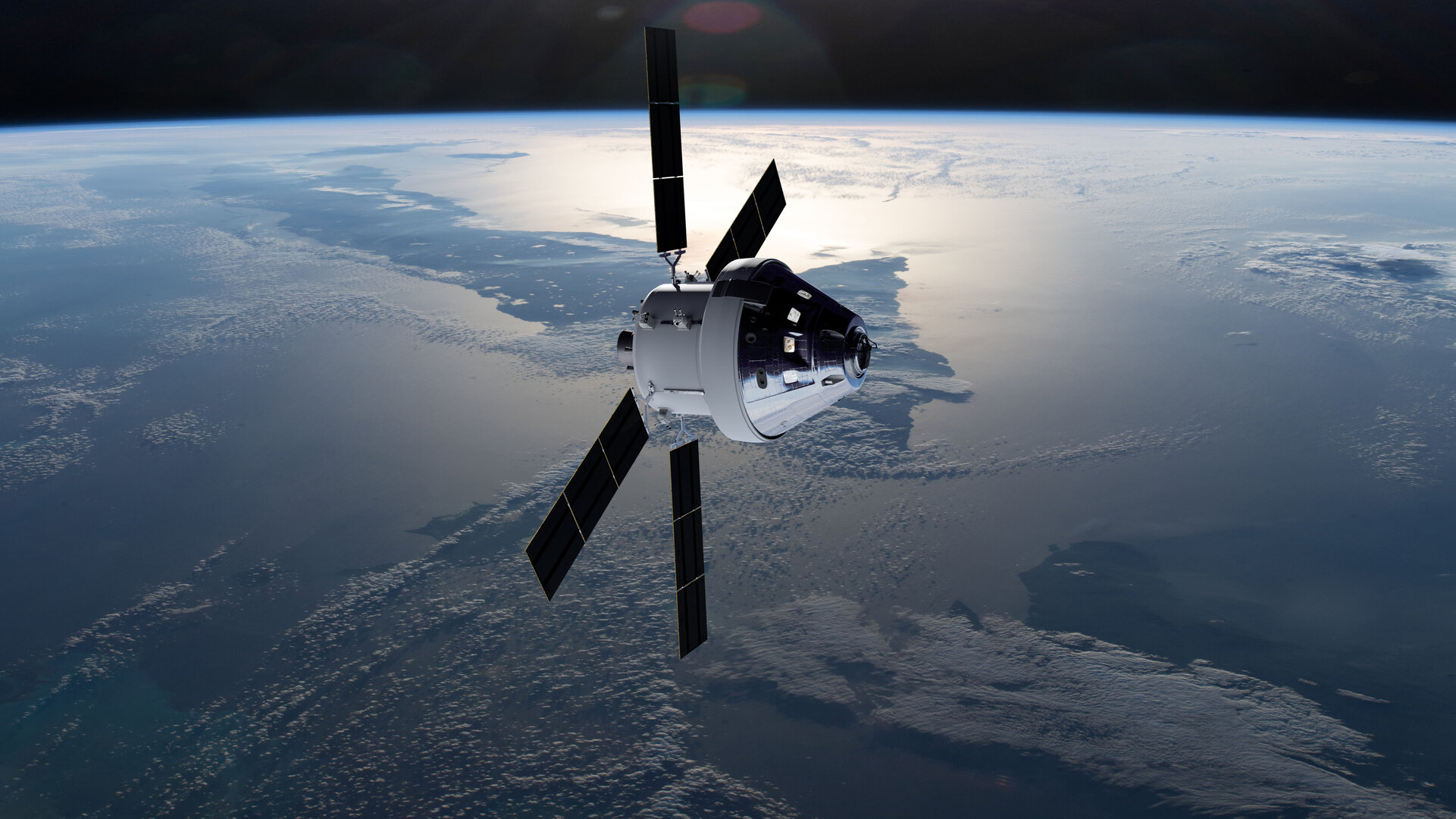
2. & 3. The upper stage of SLS will then fire Orion into high Earth orbit at 44,00 miles.
Then the crew will convert Orion from launch set up to flight mode.
They will be able to eat and sleep for a while.

4. Orion’s AJ10 engine will fire, putting the spacecraft on course to the Moon.
It’s trajectory will take Orion on course to loop around the Moon and return to Earth.
The journey from Earth orbit to the Moon will take 4 days.

5. Orion will loop around the Moon. It’s closest distance will be about 4,000 miles.
The astronauts will photograph and analyse the lunar landscape below them.
Of particular interest will be the Moon’s south pole area.
Future Artemis missions will land there.
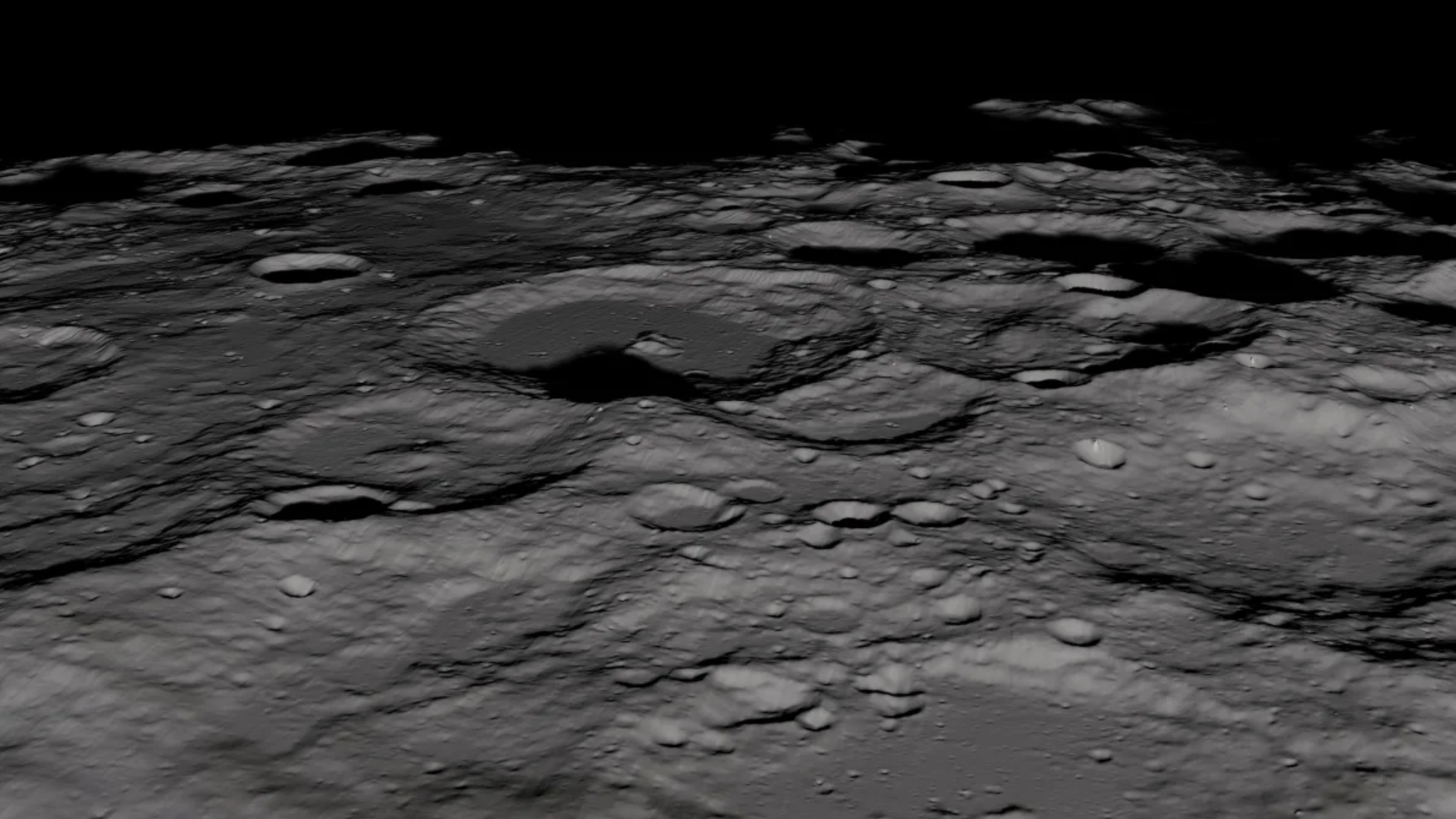
6. The Moon’s gravity will send Orion on course back to Earth, another 4 day trip.
7. Orion will enter Earth’s atmosphere at 25,000 mph.
This is the highest re-entry speed ever.
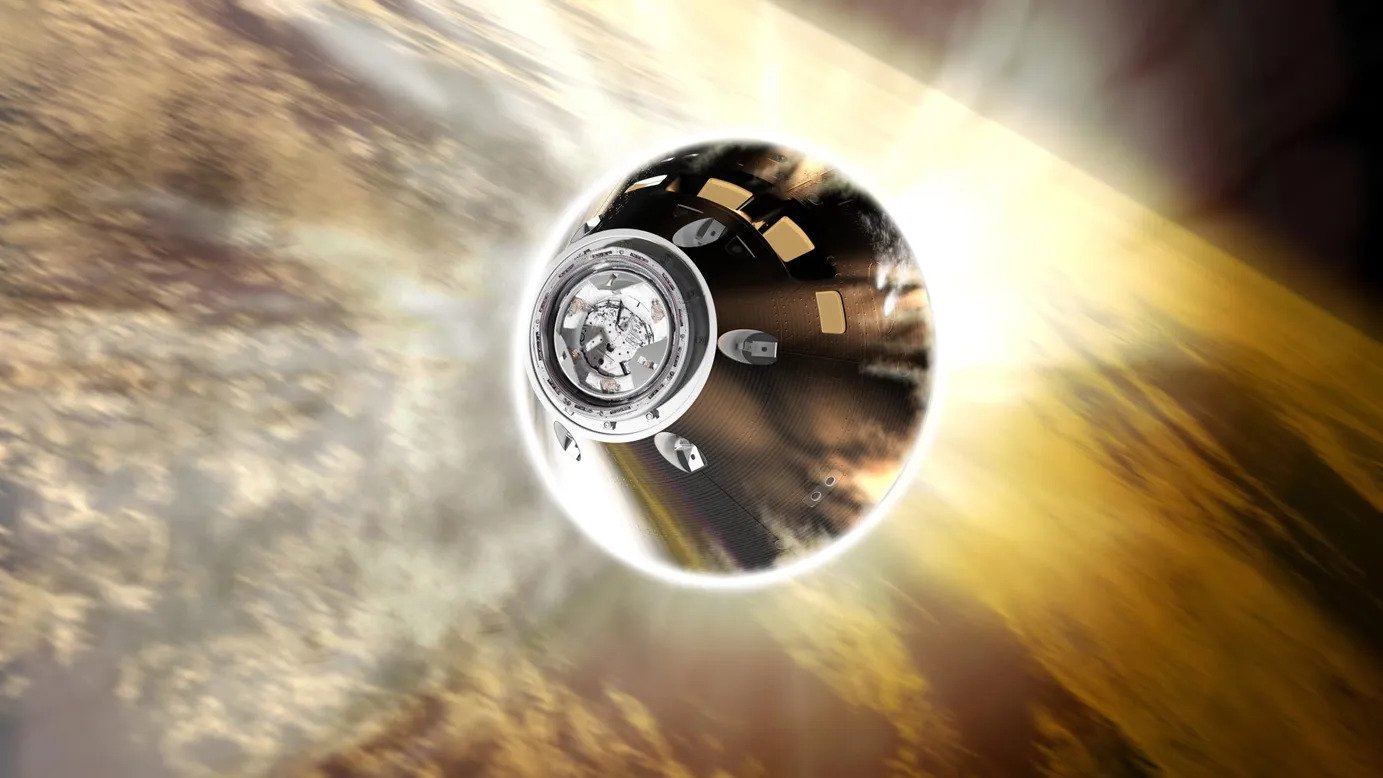
It will bounce along the upper atmosphere, losing speed before dipping into the air.
It’s heat shield will protect the falling craft as the outside becomes red hot.
8. Orion will splash down in the Pacific Ocean off San Diego, California.

The crew and spacecraft will be picked up by a ship from the U.S. Navy.
The Artemis 2 mission will be complete after 10 days in space.
The crew will have travelled further into space than any human before.

Join the Artemis Crew!
You can go with Artemis 2 around the Moon!
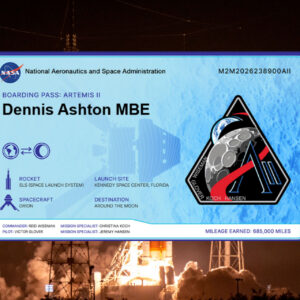
Just click the link below and you’ll receive a boarding pass.
Your name will be added to an SD card that will travel on Orion around the Moon.
NASA Artemis II | Send Your Name to Space
I’ve got my boarding pass. I’m going to the Moon!

The author: Dennis Ashton, MBE, is a Fellow of the Royal Astronomical Society and a Wonderdome presenter.
In 2024, Dennis received the Special Contribution award from the British Association of Planetaria.
In 2025 he became a Member of the Order of the British Empire for over 50 years work in Astronomy Education.
WonderDome: Leading the Way in Mobile Planetariums
WonderDome offers a fully immersive experience, taking you on a journey through the cosmos. Perfect for all ages and abilities. We now boast a team of 15 presenters, located all over the UK, establishing us as the largest – and best – mobile planetarium organisation in the UK.
Stay Connected for Astronomy News and Events Follow WonderDome mobile planetarium on Twitter / X, Facebook, Instagram and TikTok to stay up to date on the latest news, shows and offers. Or visit our website at wonderdome.co.uk. WonderDome is part of the Service4Education Group