

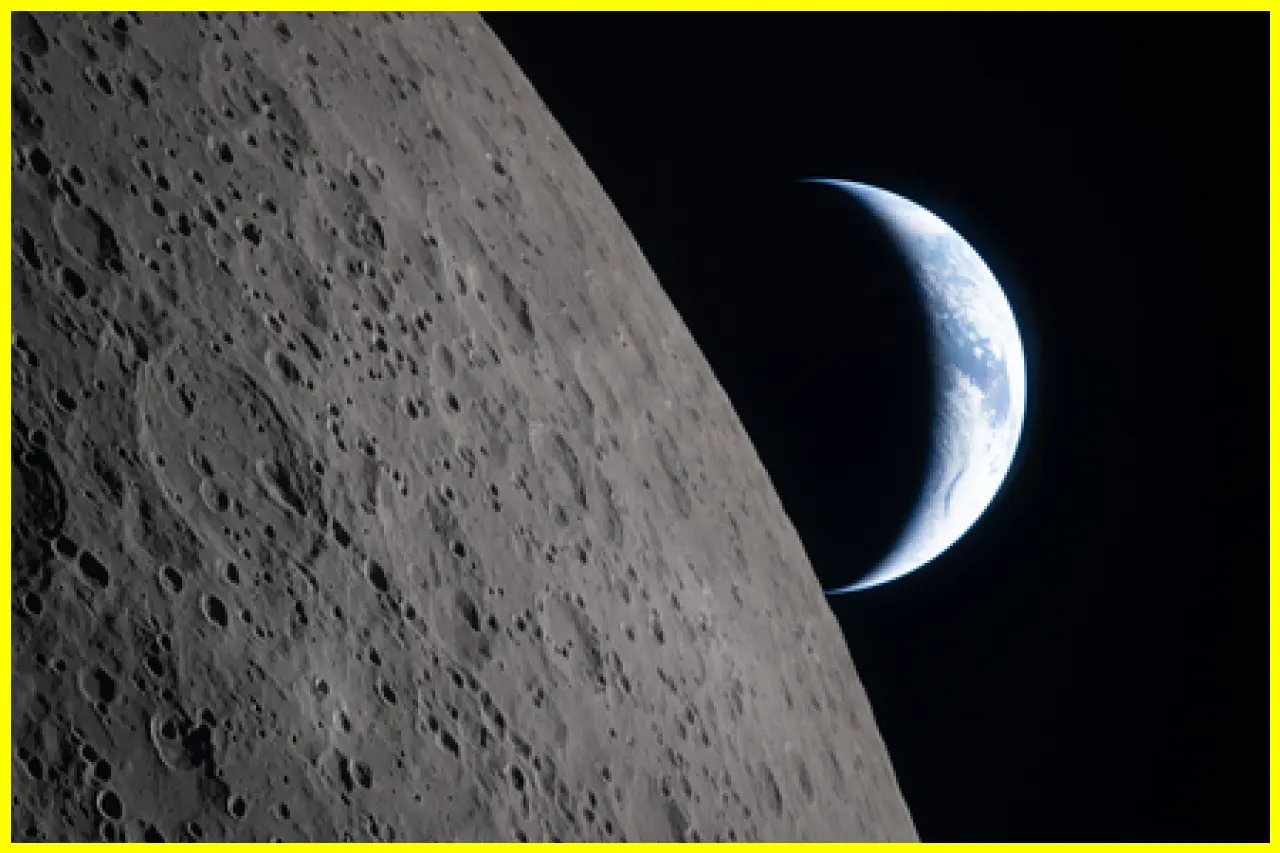
Did you enjoy following the Artemis 2 mission? Of course you did!
Now the brave crew is safely home, we can review their historic mission.
It was literally over the Moon.
Every day was different for the four astronauts.
By now their names are familiar.
Christina Koch, Reid Wiseman, Victor Glover and Jeremy Hansen have been on our TV screens since the beginning of April.
They are the first humans to go beyond Earth orbit in over 50 years.
Their mission was a test flight for the new Orion module.
But it tested more than the spacecraft.
We’ll follow a timeline of their amazing journey into space.
April 1st: Day 1
Launch
Launch day finally arrived after weeks of frustrating delay.
The countdown reached zero at 6.35 local Florida time.
The launch was spectacular.
The Space Launch System, SLS, functioned perfectly.
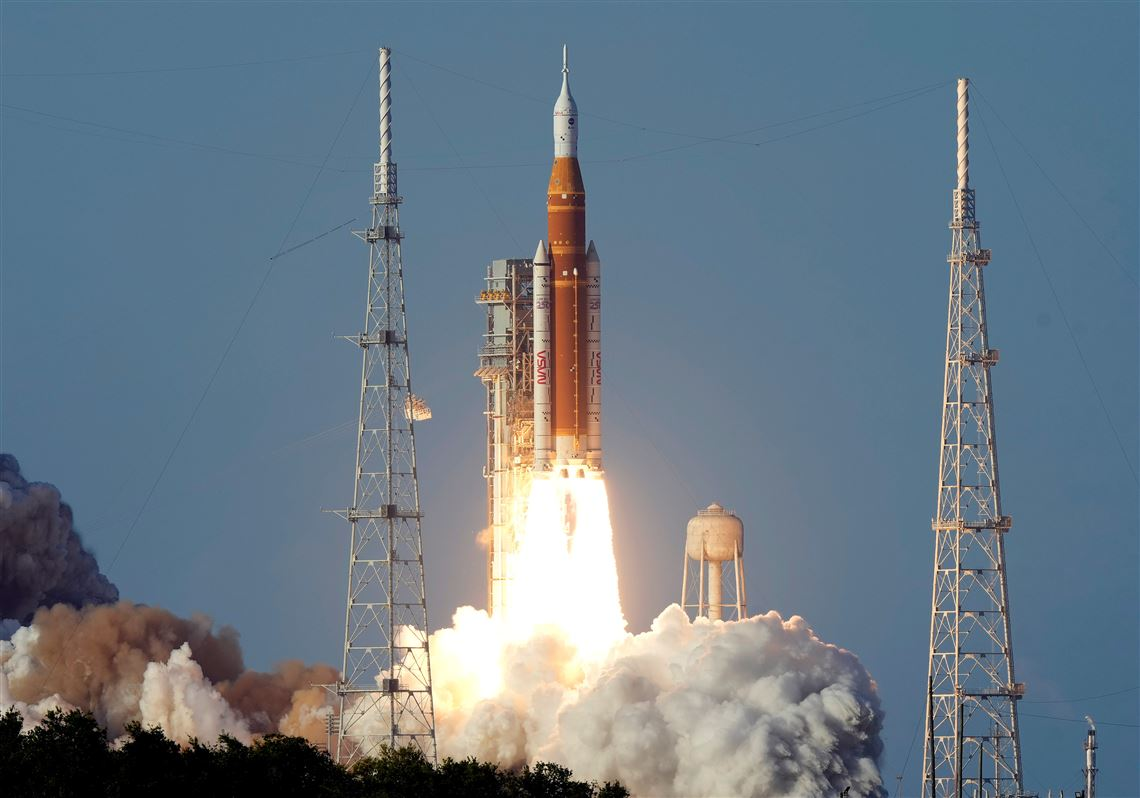
Artemis 2 launch: NASA
The four main RS-2 rockets fired 7 seconds before lift off.
At T-0, the solid rocket boosters ignited and SLS left the launch pad in a blast of smoke, steam and fire.
The solid rocket boosters gave most of the lift-off thrust.
At a height of 30 miles, SLS had reached a speed of 3,100 pmh.
The boosters separated to fall back into the ocean.
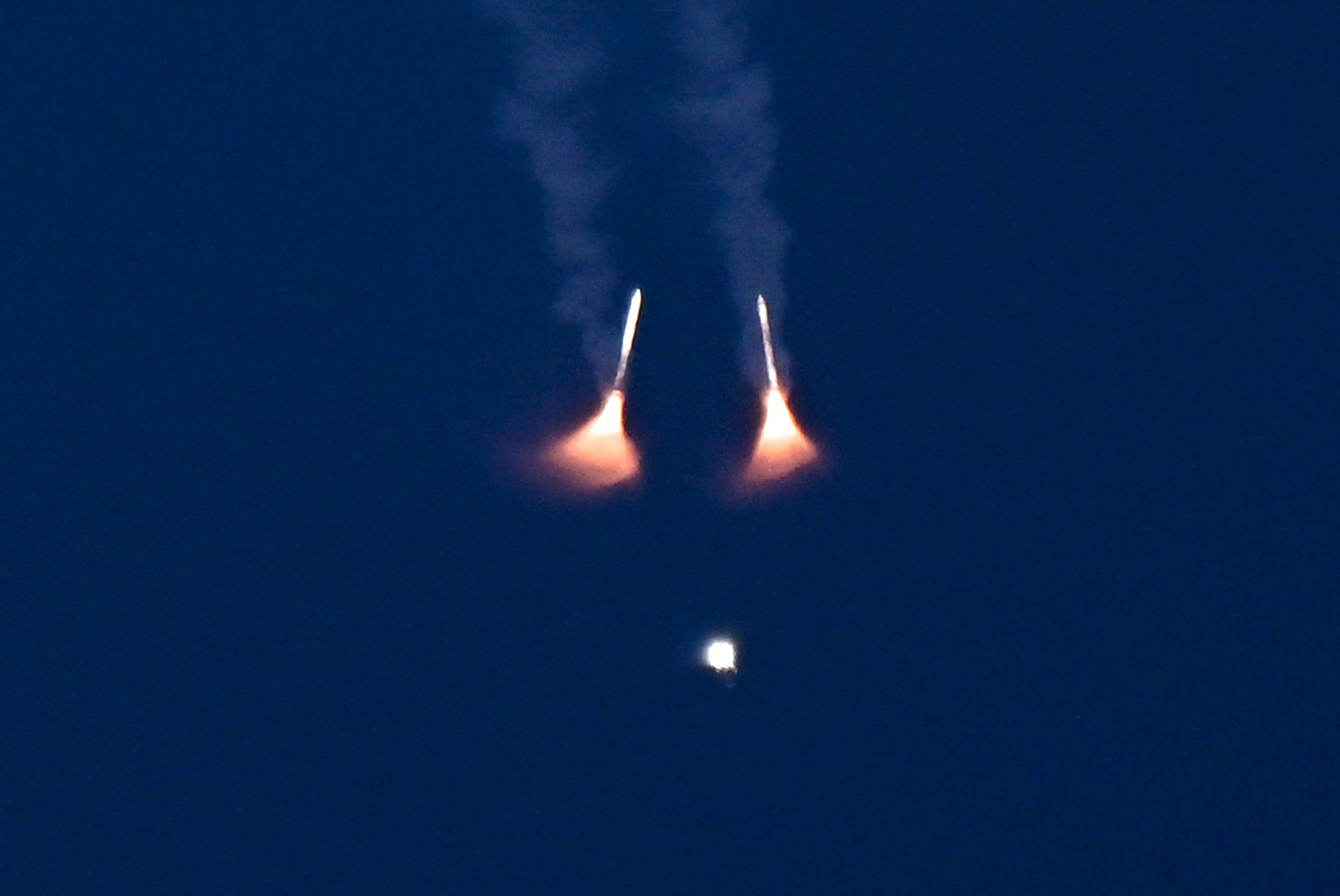
The core stage rockets fired for 8 more minutes.
Now Orion was in Earth orbit at a height of 1,400 miles, already 5 times higher than the International Space Station.
The crew had christened their spacecraft Integrity.
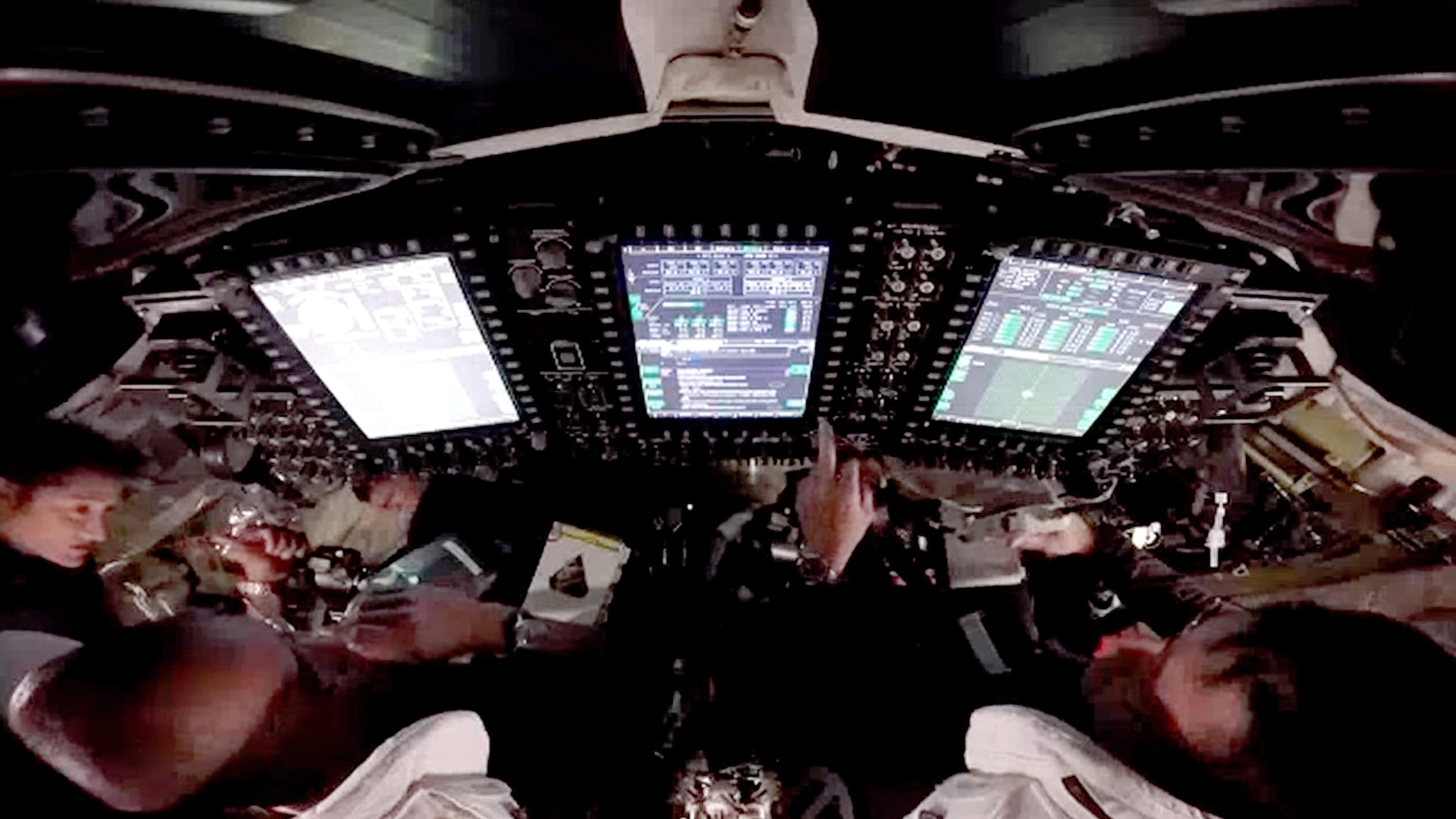
Onboard Integrity, Christina Koch and Jeremy Hansen checked vital life support systems.
They included the water dispenser and toilet.
Both were OK but the toilet would cause problems later in the flight.
Then the Interim Cryogenic Propulsion Stage (ICPS) fired.
This burn took Orion to an altitude of 44,000 miles.
Orion and the European service module then separated from the upper stage.
Pilot Victor Glover carried out test manouevres with Orion and ICPS.
Future missions would involve docking with the lunar lander.
ICPS then fell back towards Earth.
To finish their first day, the crew set up their capsule for the trip to the Moon.
They tested the exercise flywheel and ate their first onboard meal.
Finally they slept. It had been quite a day!
April 2nd: Day 2
Leaving Earth orbit
Everything was set fair for Orion to leave Earth orbit and go to the Moon.
The service module AJ10 rocket fired for almost 6 minutes.
This burn took Orion on a free-return trajectory to loop around the Moon.
The gravity of the Moon then Earth would allow Orion to loop around the Moon and return.
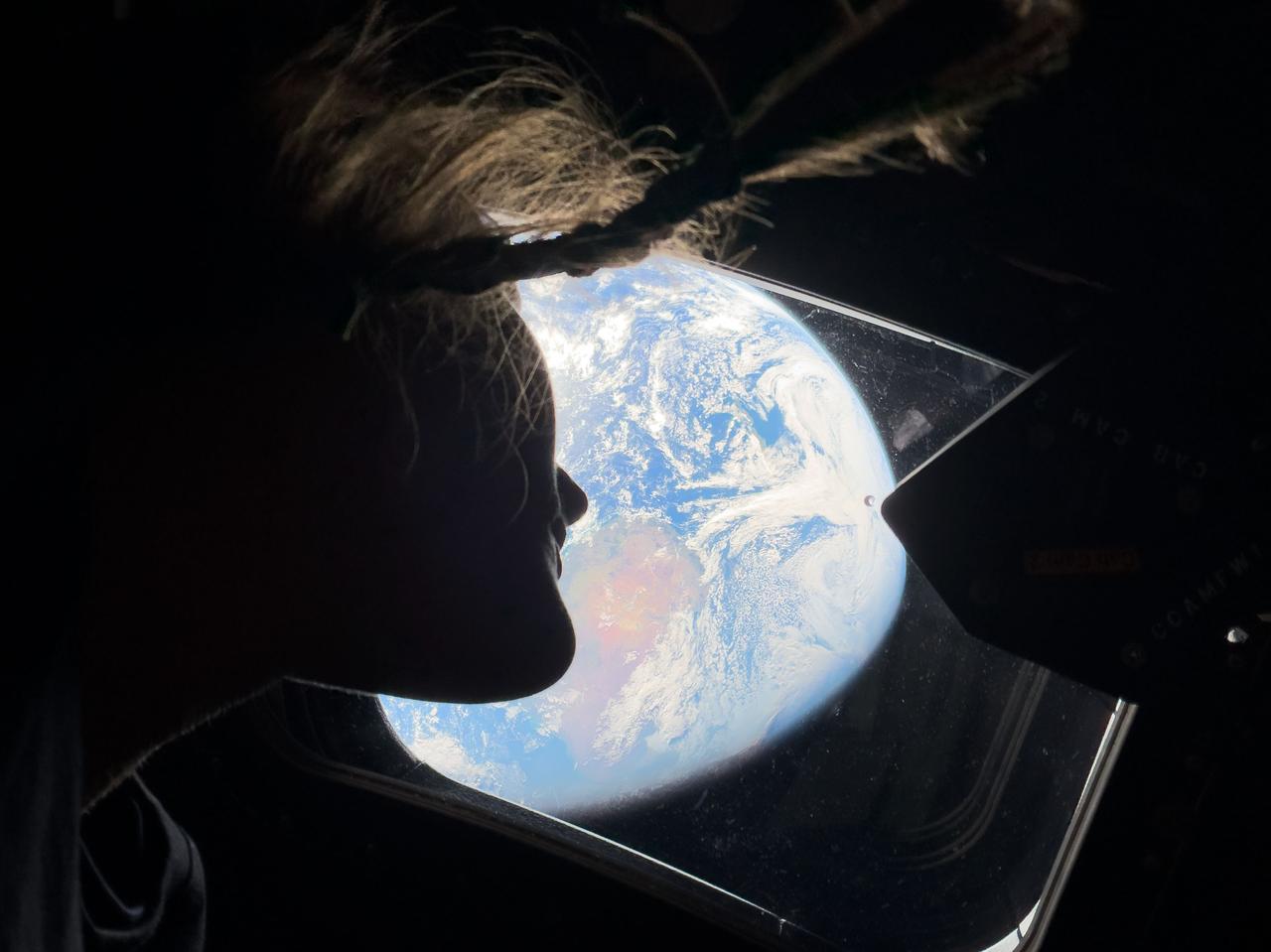
Kristina Koch at Orion’s window, day 2: NASA
Now the TV audience could concentrate on the astronauts as they spoke to Mission Control.
April 3rd: Day 3
Planet Earth
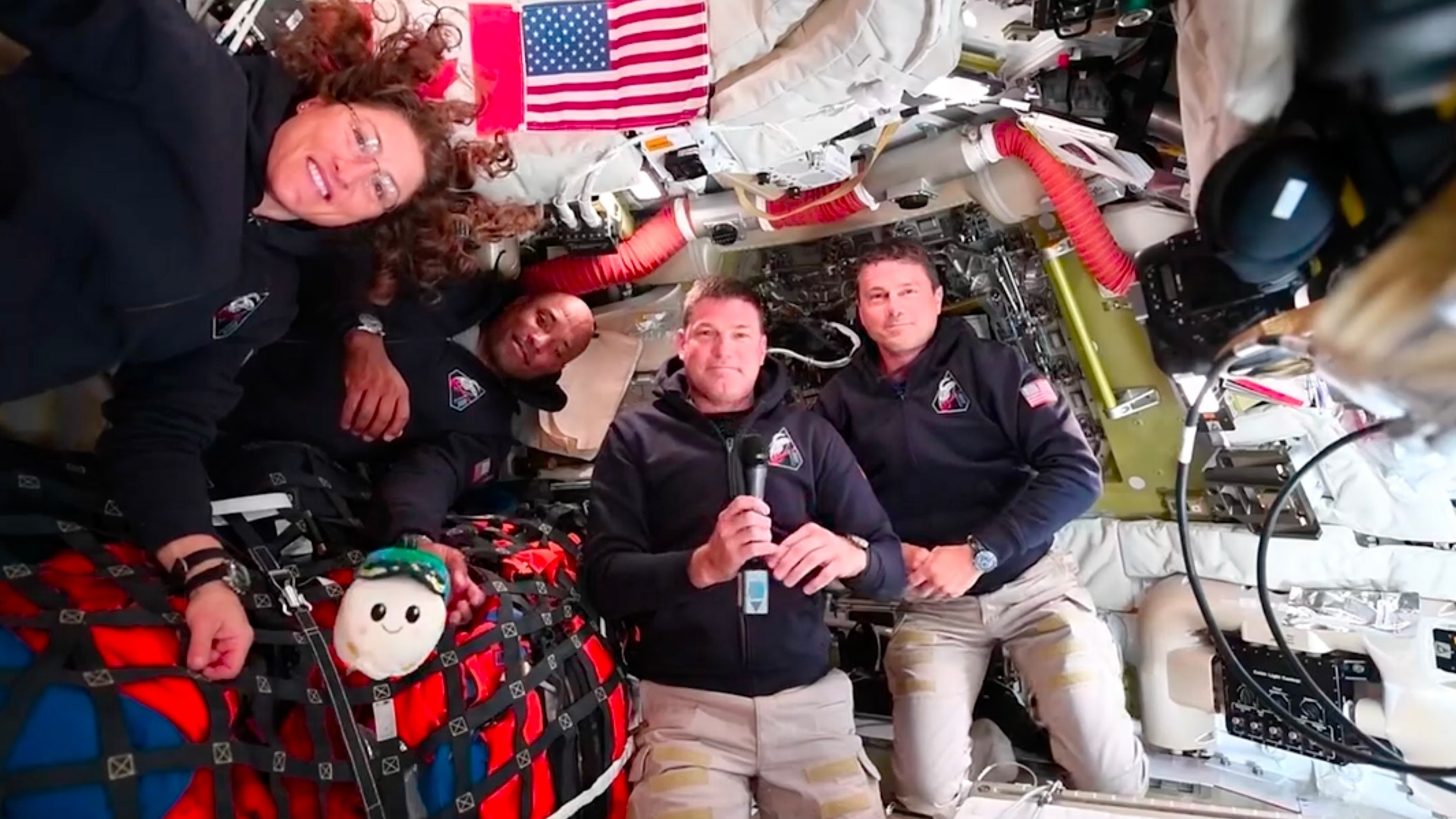
The crew chatted to TV audiences all over the world.
To practice lunar photography, they turned their cameras towards Earth.

Moonglow on Earth: NASA / Reid Wiseman
This amazing image was shot by mission commander Reid Wiseman.
It shows night time on our planet. The Earth is illuminated by moonlight.
To the top right and bottom left, we can see auroras, the Northern and Southern Lights.
The bright object at bottom right is Venus.
April 4th: Day 4
Moon approach
As Earth shrank into the distance, attention turned to the mission target, the Moon.

At this point, the astronauts could see more or less what we see from Earth.
Dark lava plains, the ‘seas’, and prominent craters like Tycho dominate the image.
So far, the mission was proving smooth and uneventful.
Except for the toilet!
There had been a toilet issue after launch but it was soon rectified.
The astronauts needed to put more water in to prime the pump.
Christina Koch became the ‘plumber’ for Integrity!
But on day 4, another loo problem came up.
A vent pipe for urine had frozen. The toilet was for ‘fecal use only’.
The problem was solved by the crew turning Orion so the pipe faced the Sun.
The pipe thawed, to the relief of the crew.
April 5th: Day 5
Preparing for the Moon
An early job for the astronauts was to test their space suits.
As usual, NASA has a handy acronym: OCSS.
It stands for the Orion Crew Survival System.

The suit protects astronauts during launch and reentry.
It provides life support in the event of cabin depressurization.
Finally it deals with any survival operations after splashdown.
Later the crew and mission control carried out a 17 seconds rocket burn.
This was a course correction, a tweak to set course to the Moon.
Mission control sent it’s final list of 30 targets to focus on during lunar orbit.
They included the Orientalis basin, a crater 580 miles across.
The basin straddles the lunar near side and far side.

April 6th: Day 6
Over the Moon
The big day dawned.
Actually, there was no dawn for the crew.
Integrity had been bathed in sunlight since leaving Earth orbit.
Today it would take the astronauts around the Moon.
It would see humans travelling further from Earth than ever before.
They would travel 252,756 miles away from Earth, 4,100 miles further than any Apollo mission.
The crew began a 7-hour observation of the Moon as they passed within 4,067 miles of its surface.
The photos and audio descriptions they gave were remarkable.
Here’s my choice.
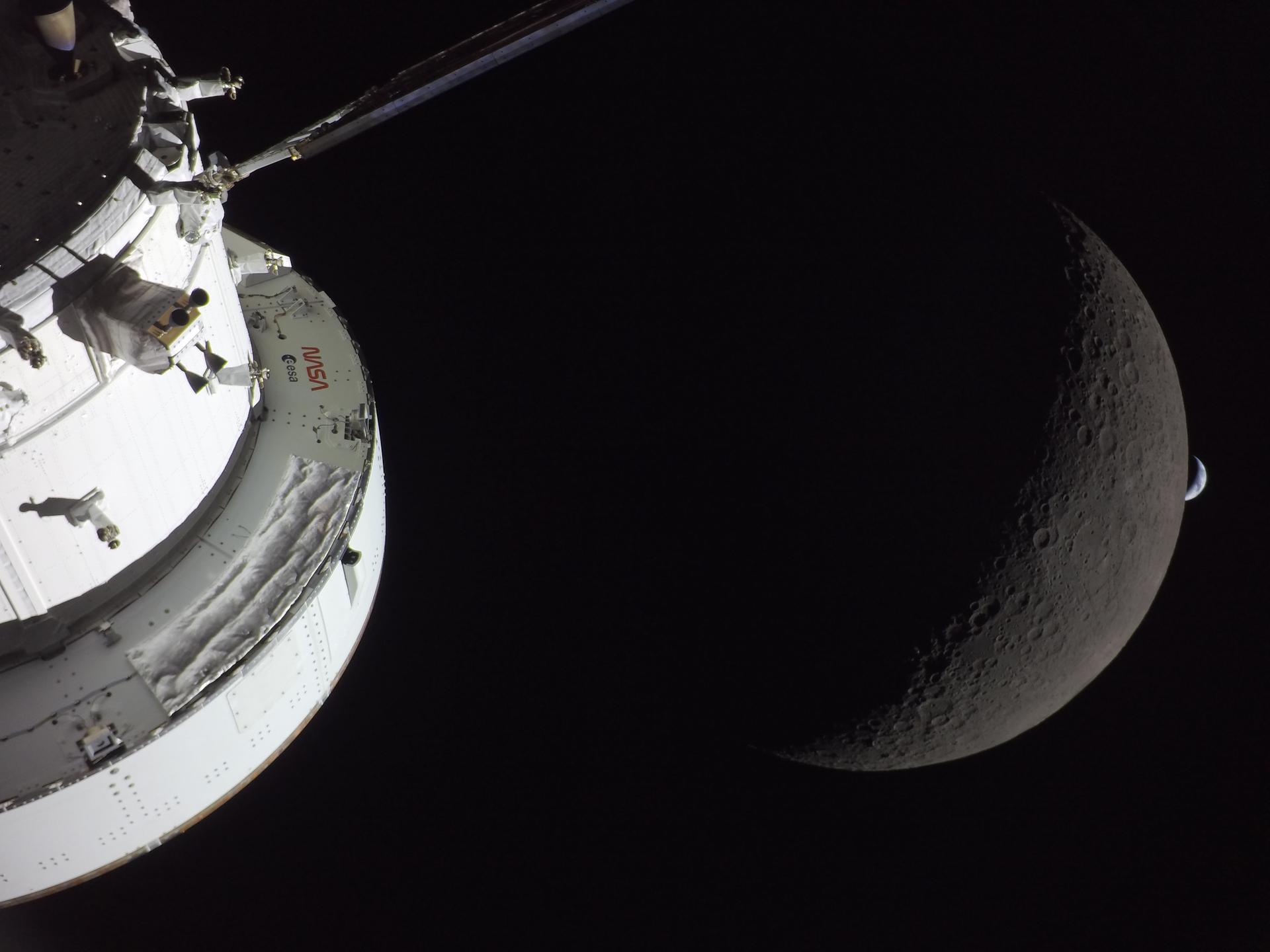
Integrity, Moon and crescent Earth
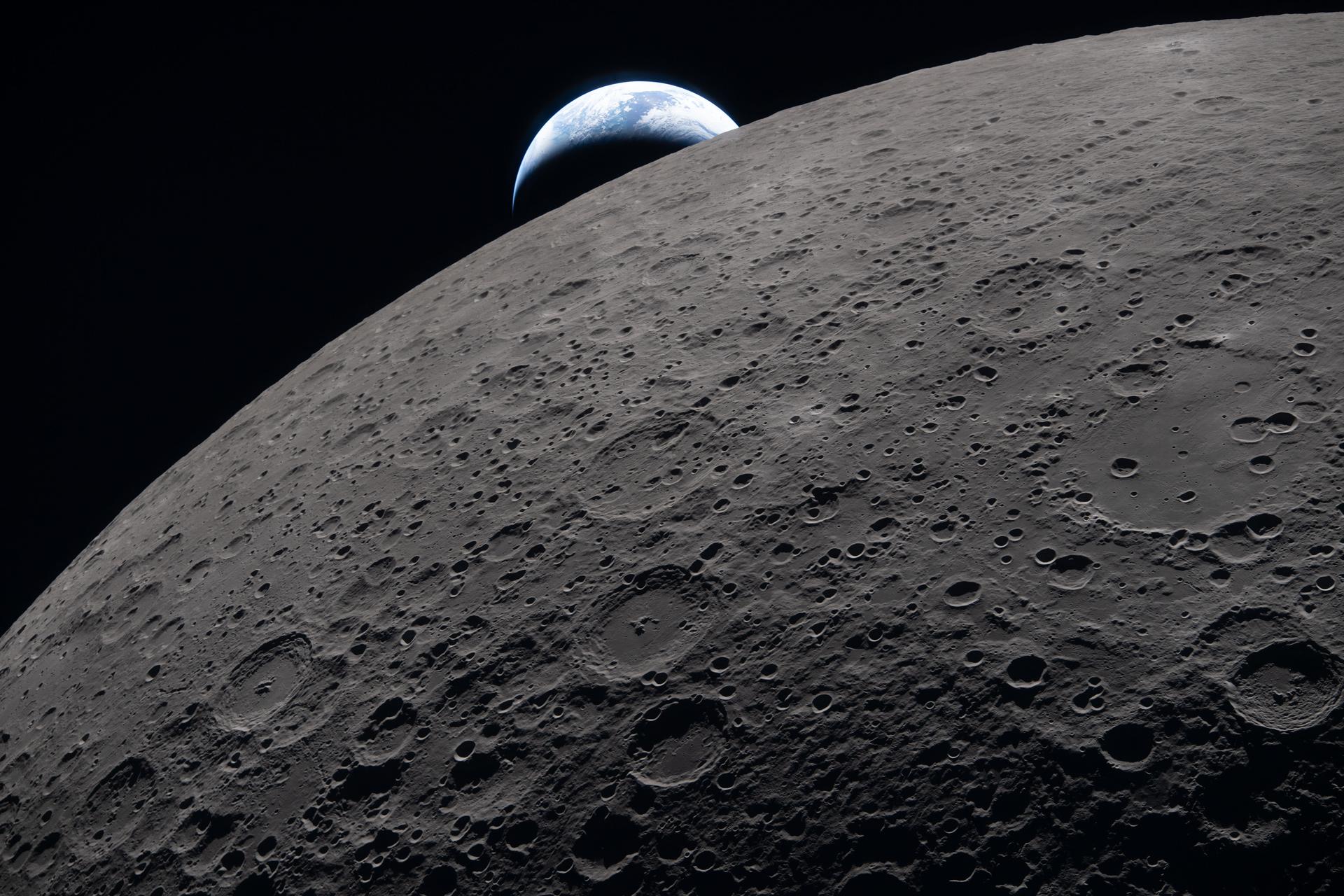
Earth over the Moon, image taken 3 minutes before Integrity disappeared behind the Moon
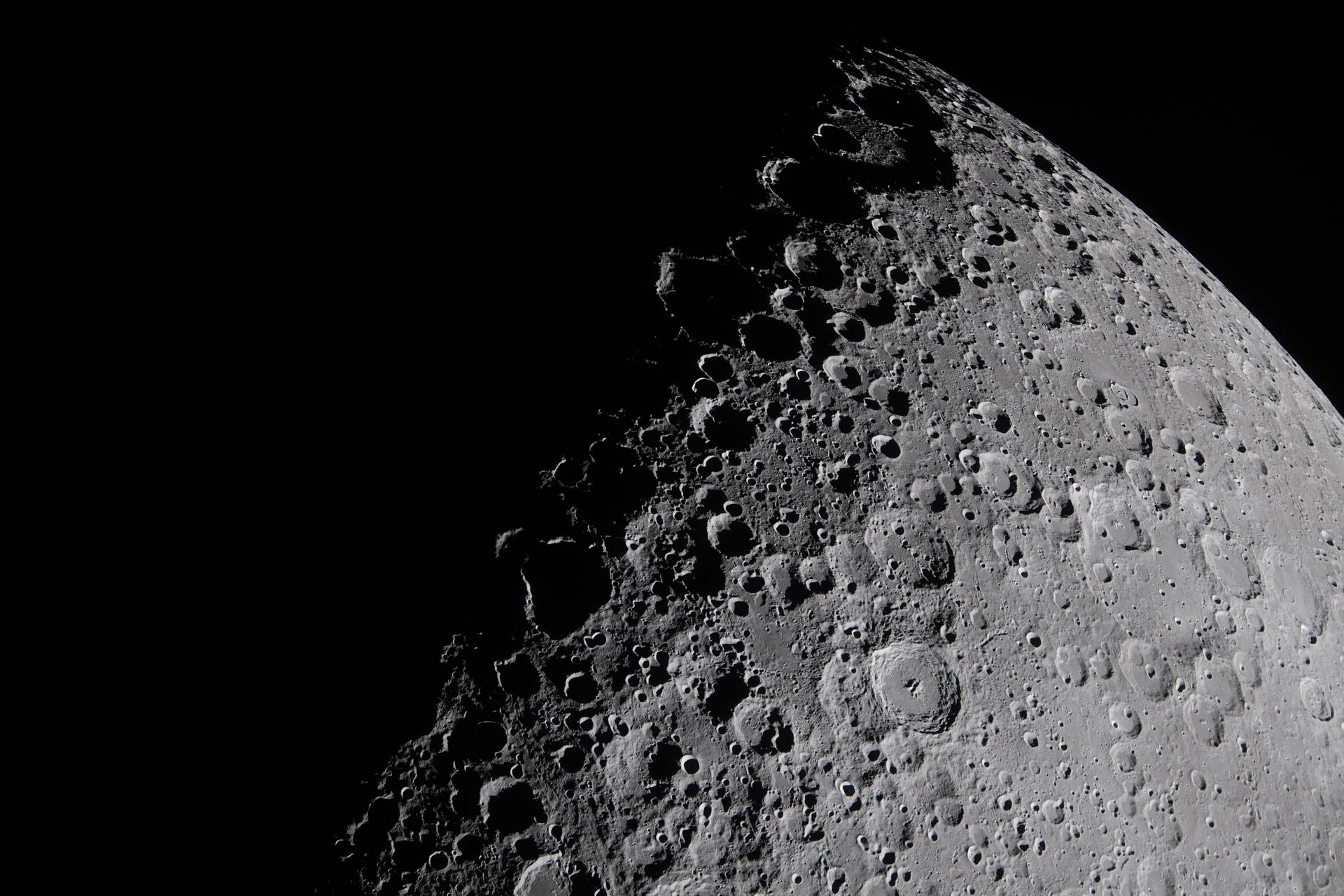
The terminator, the line between day and night on the Moon’s far side.
The craters stand out in shadowed detail.
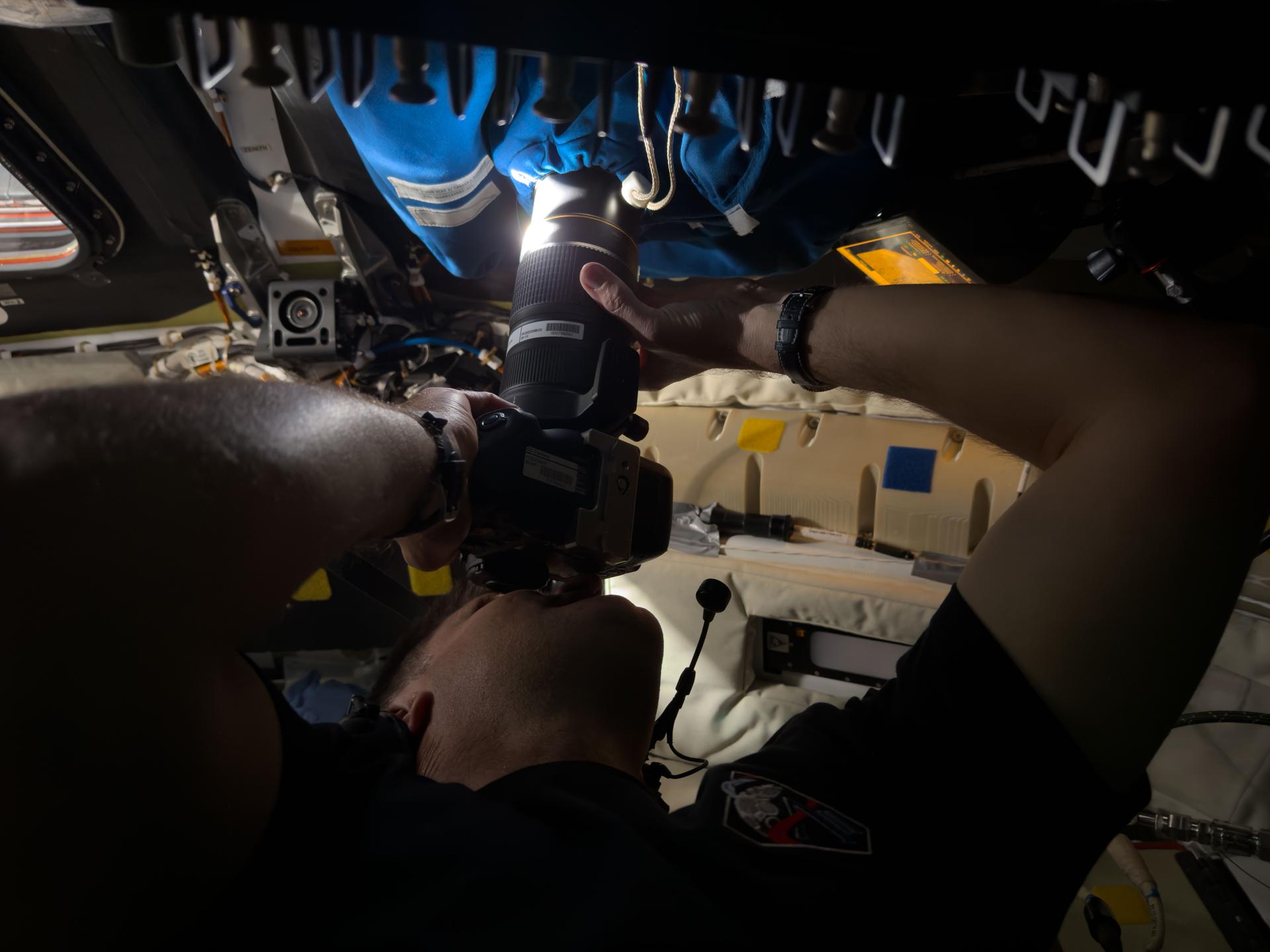
Jeremy Hansen taking photos through window 2 on Integrity.
The blue shroud prevents light from inside the spacecraft reflecting on the window glass.
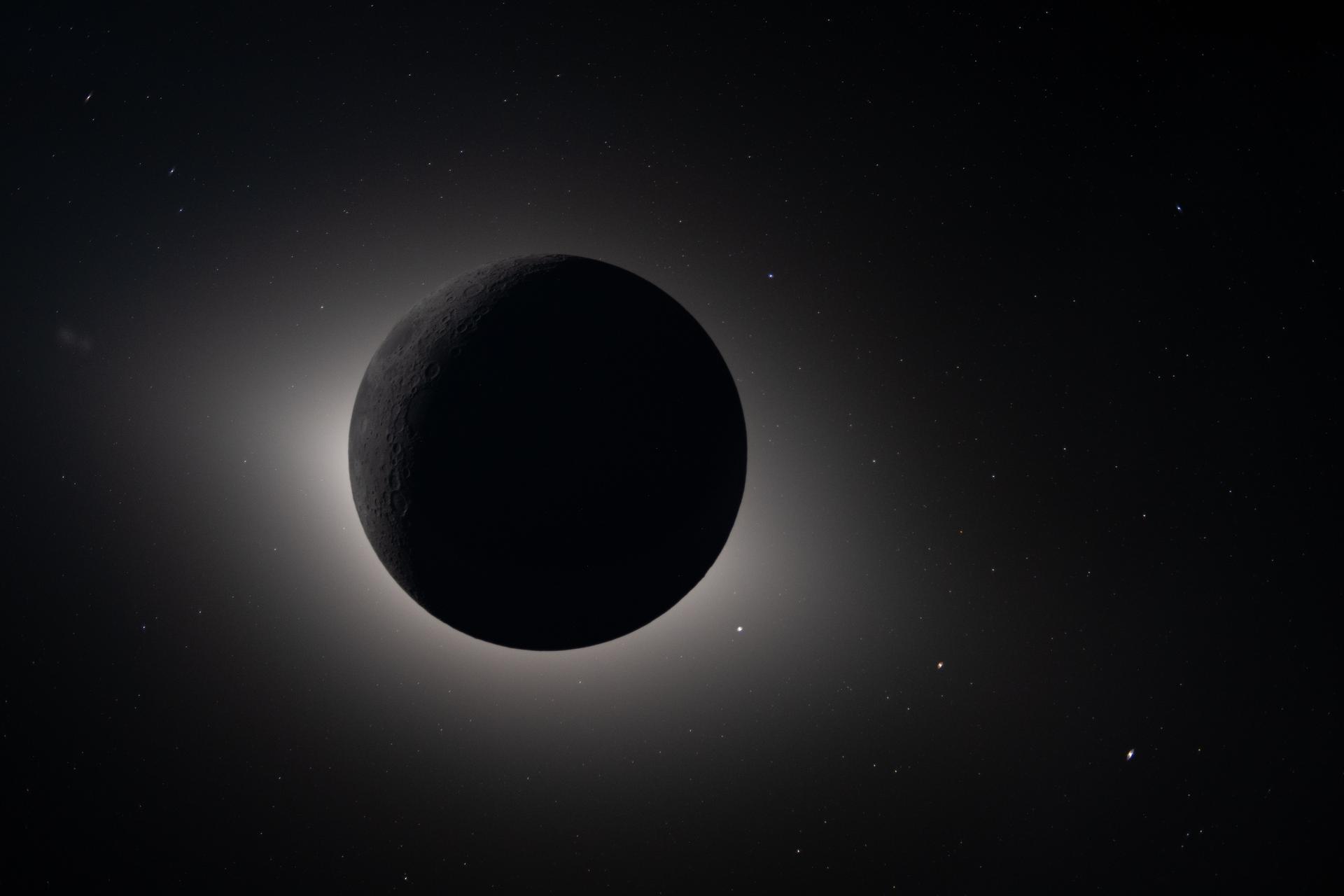
For about 54 minutes, the Moon eclipsed the Sun. The corona, the Sun’s outer layer, glowed around the Moon.
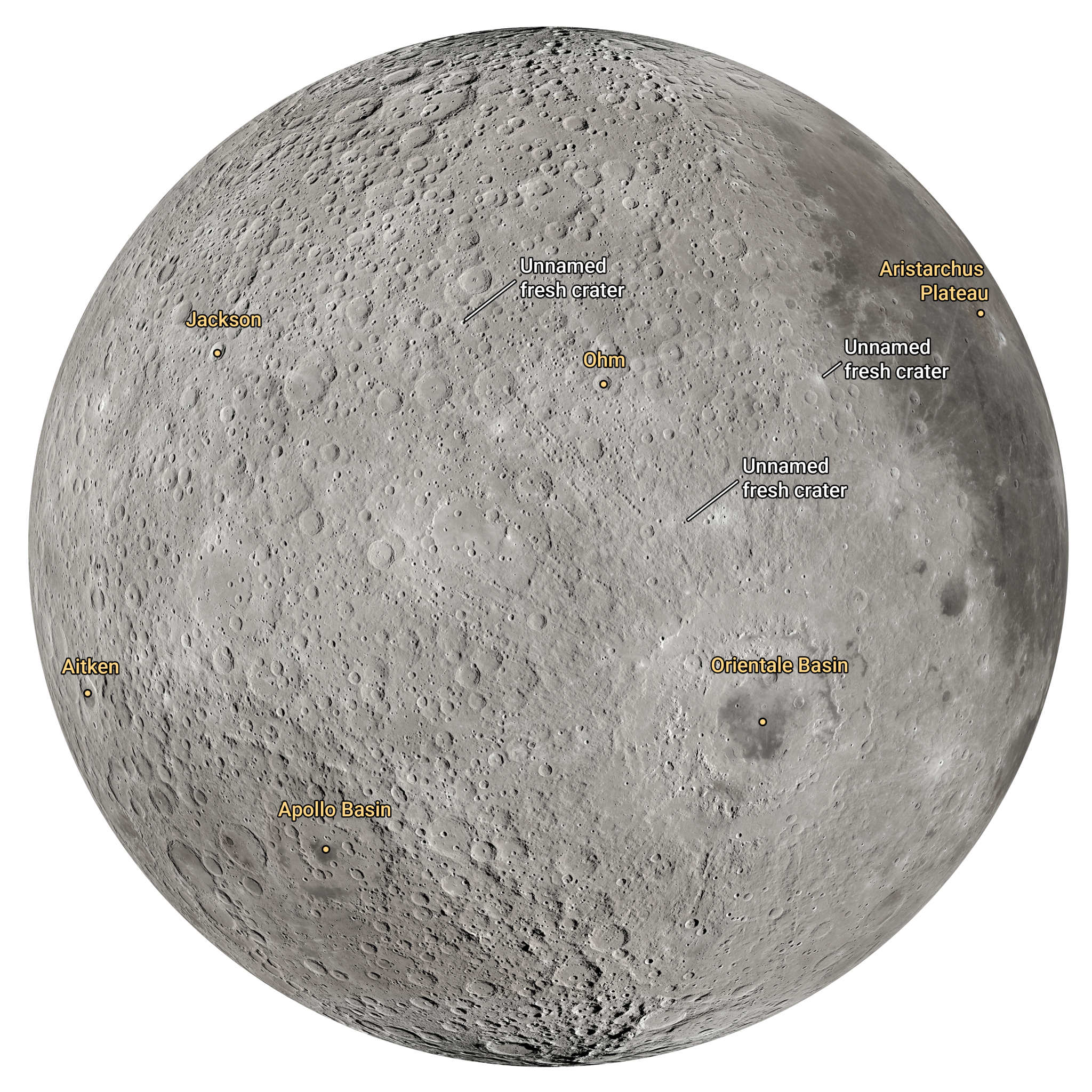
The crew picked out two craters to mark their epic journey.
Above the Orientalis basin, they chose Integrity for one un-named crater.
For another, they chose Caroll.
This is in memory of Reid Wiseman’s wife Caroll who passed away in 2020.
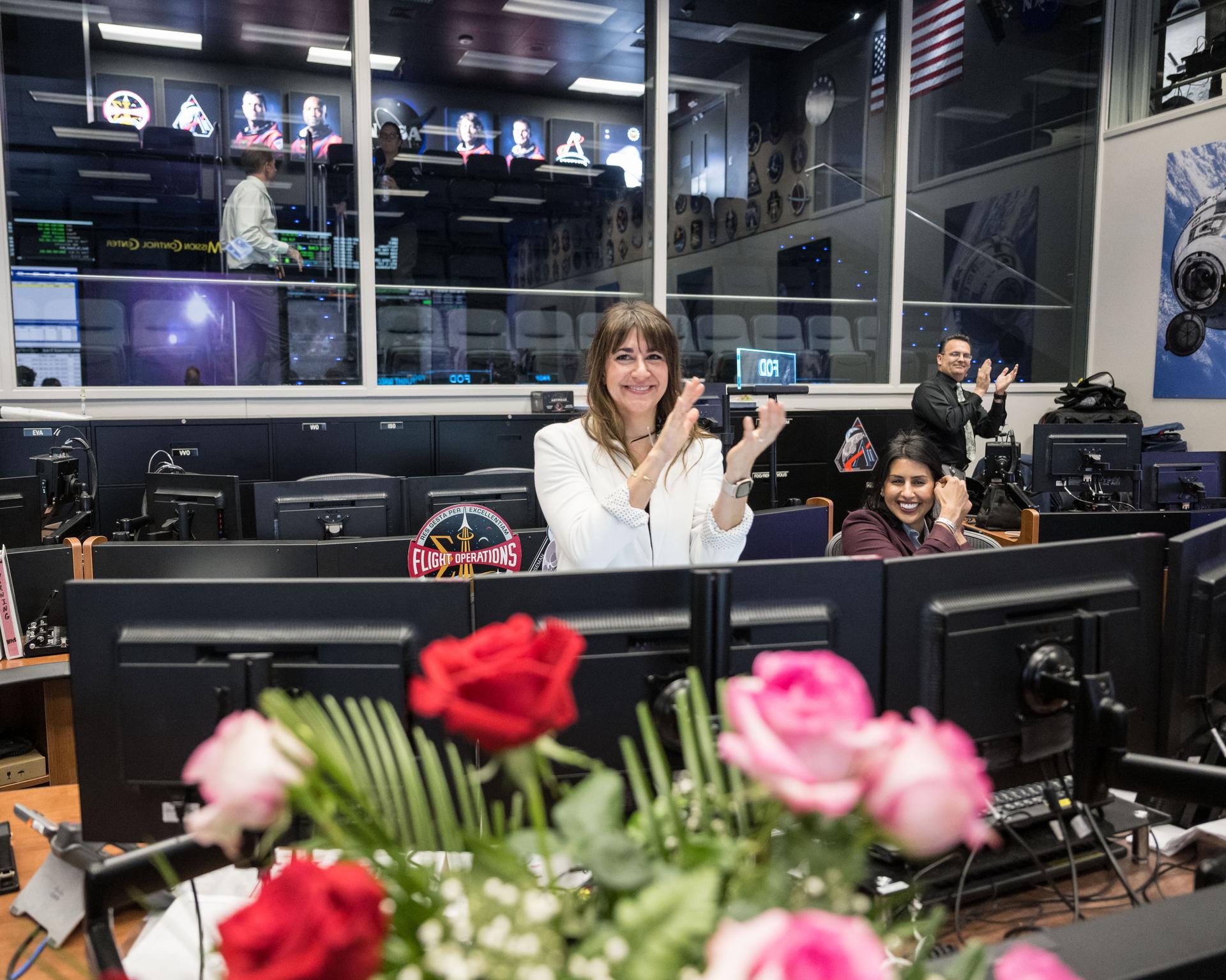
Back down in Mission Control, flight director Diana Daily, Pooja Jesrani and Paul Konyha applaud the incoming images.
There were screams of delight as the astronauts described ‘flashes of light’ as small meteorites hit the Moon’s surface.
After seven hours, Integrity’s circumlunar trip was over.
The spacecraft and its crew were on the return trajectory to Earth.
It had been a day to remember.
April 7th: Day 7
Goodbye Moon
Integrity left the Moon’s sphere of influence.
Onboard, the astronauts were allowed rest periods after yesterday’s intense scrutiny of the Moon.

The astronauts carried out a debrief with science officers on the ground.
They also had a broadcast chat with the astronauts on the International Space Station.
April 8th: Day 8
Press conference from space
The four astronauts carried out their daily exercise using the FED, the Flywheel Exercise Device.
The astronauts gave a press conference for world media.
When asked wwhat they were looking forward to, Victor Glover said that for him it was splashdown.
The astronauts have so many stories of their mission and he’s looking forward to telling them.
BBC reporter Rebecca Morelle asked the astronauts what they would miss most.
Christina Koch replied that it would be the camraderie of the crew.
‘The crew were ‘like brothers and sisters’ she said.
Then it was back to work.
The astronauts put on garments designed to help them cope with Earth’s gravity on return from weightlessness of space.
They also tested manual control of the Orion spacecraft.

April 9th: Day 9
Back to Earth
The last full day in space began with Integrity 150,000 miles from Earth.
The crew prepared for splashdown in the Pacific Ocean.
Christina Koch and Jeremy Hansen stowed equipment used in the mission.
They adjusted the seating in readiness for re-entry.

Christina had time to take this remarkable selfie.
She used a GoPro camera mounted on one of the solar panels.
Christina is at the upper window of Integrity, holding the ship’s mascot ‘Rise’.
Rise is a Moon-shaped plush toy designed by 8-year old Lucas Ye.
A thruster rocket burn fine-tuned Orion’s trajectory towards Earth.
Inside Integrity and down at Mission Control the team is ready for re-entry and splashdown.
Along with the launch, this is the most dangerous part of the mission.
We held our breath and hoped that all would go well.
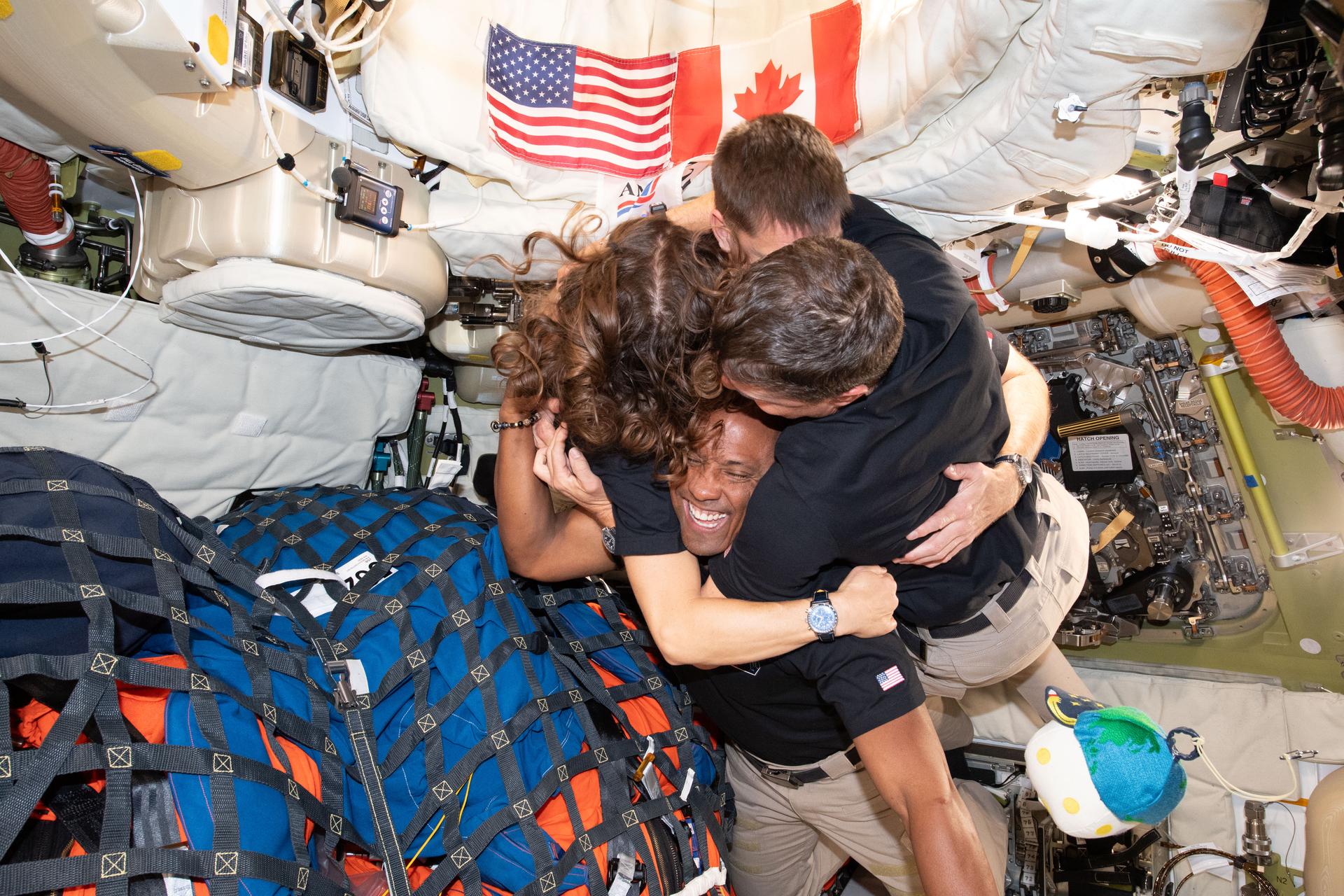
April 10th: Day 10
Re-entry
The astronauts woke up about 62,000 miles from Earth
Splashdown was scheduled for 6.07 pm, Pacific Time.
At midday, a rocket burn adjusted Integrity’s course.
Three hours later, Integrity separated from the European service module.
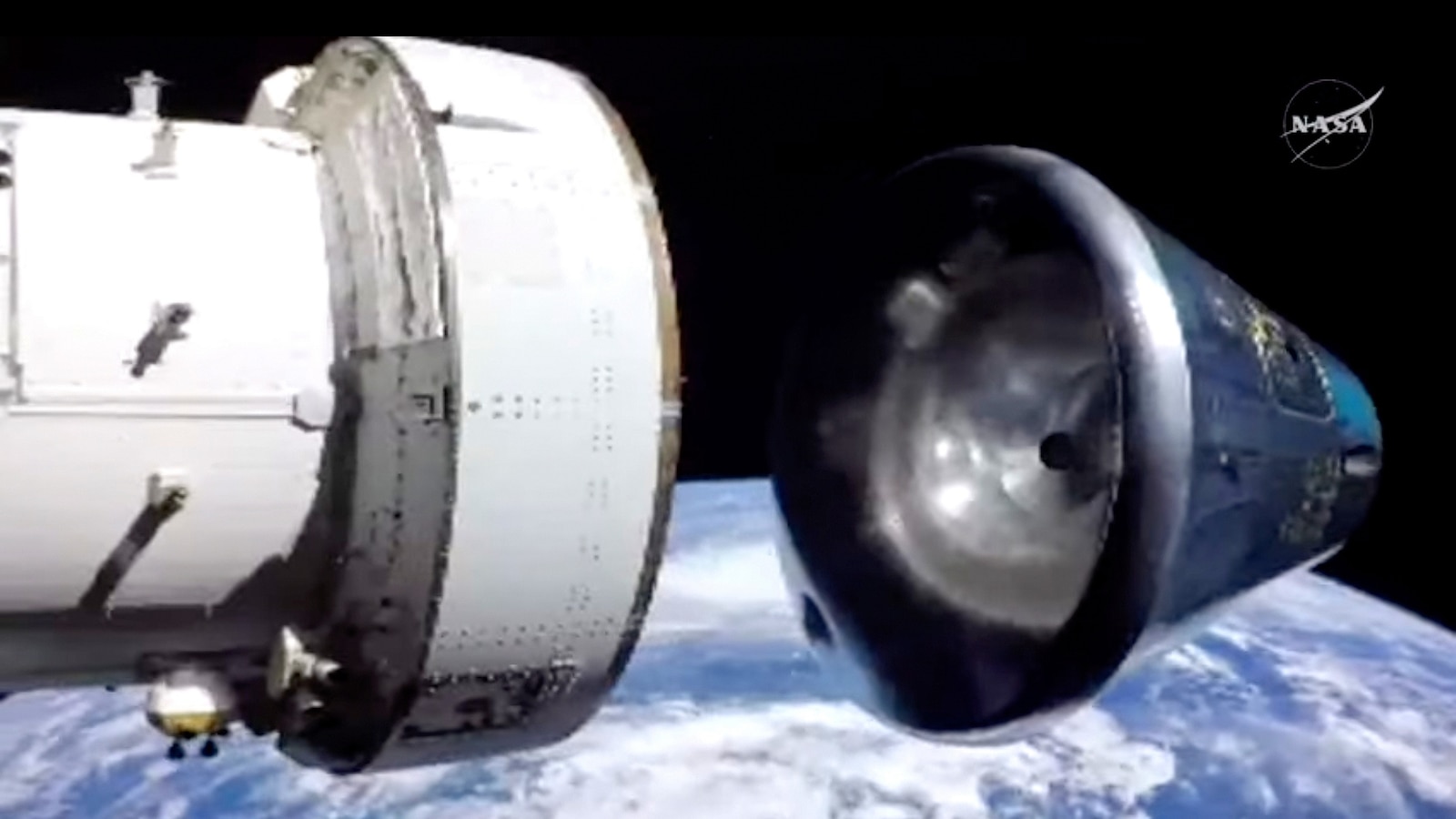
Four minutes after separation, a burn from Orion’s thrusters set it up for the correct angle of re-entry into Earth’s atomosphere.
To steep an angle and the craft would burn up.
To shallow an angle and Orion would skip of the atmosphere into space.
This was the most dangerous part of the mission.
Integrity entered the atmosphere travelling 35 times faster than the speed of sound.
It was burning through the air at 7 miles per second!
Communication with the crew was lost for a few minutes.
Inside Integrity, the crew, strapped to their bunks, experienced gravity 4 times that on Earth, 4G.
The temperature on the outside of Integrity reached 2,700 degrees C.
That’s half the temperature of our Sun.
The heat shield absorbed and dispersed the fierce heat.
Splashdown!
Amazingly, cameras on a plane captured Orion plummeting towards Earth.
At 20,000 feet, to everyone’s relief, the small drogue parachutes released.
Then at 6,000 feet the main ‘chutes opened and Orion slowed to 136 mph.

Three minutes later, bang on time at 6.07 Pacific time, came splashdown.
The capsule hit the Pacific Ocean travelling at 20 mph.

Recovery
The flotation collar around Integrity was deployed and after a while, the hatch was opened.
Navy divers helped the four astronauts into an inflatable raft.


Then they had a white-knuckle lift into Navy helicopters and a short flight back to the recovery ship.
Aboard the USS John P Murtha, the astronauts were given a heroes welcome.
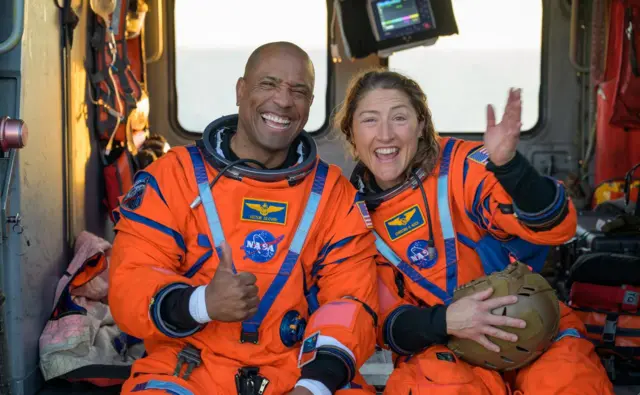
And heroes they are.
In just over 9 days, they had travelled a distance of 695,000 miles.
They had gone further from Earth than any humans in history.
The astronauts had carried out the mission to perfection.
For Artemis 2, the astronauts, the NASA team, the scientists and engineers were ecstatic.
And as onlookers, TV viewers, we felt part of it.
We were all over the Moon!
If you would like more details about this amazing mission, please visit NASA Artemis 2.
And in our next blog we’ll look at the science and inspiration of Artemis 2.

The author: Dennis Ashton, MBE, is a Fellow of the Royal Astronomical Society and a Wonderdome presenter.
In 2024, Dennis received the Special Contribution award from the British Association of Planetaria.
In 2025 he became a Member of the Order of the British Empire for over 50 years work in Astronomy Education.
WonderDome: Leading the Way in Mobile Planetariums
WonderDome offers a fully immersive experience, taking you on a journey through the cosmos. Perfect for all ages and abilities. We now boast a team of 15 presenters, located all over the UK, establishing us as the largest – and best – mobile planetarium organisation in the UK.
Stay Connected for Astronomy News and Events Follow WonderDome mobile planetarium on Twitter / X, Facebook, Instagram and TikTok to stay up to date on the latest news, shows and offers. Or visit our website at wonderdome.co.uk. WonderDome is part of the Service4Education Group