

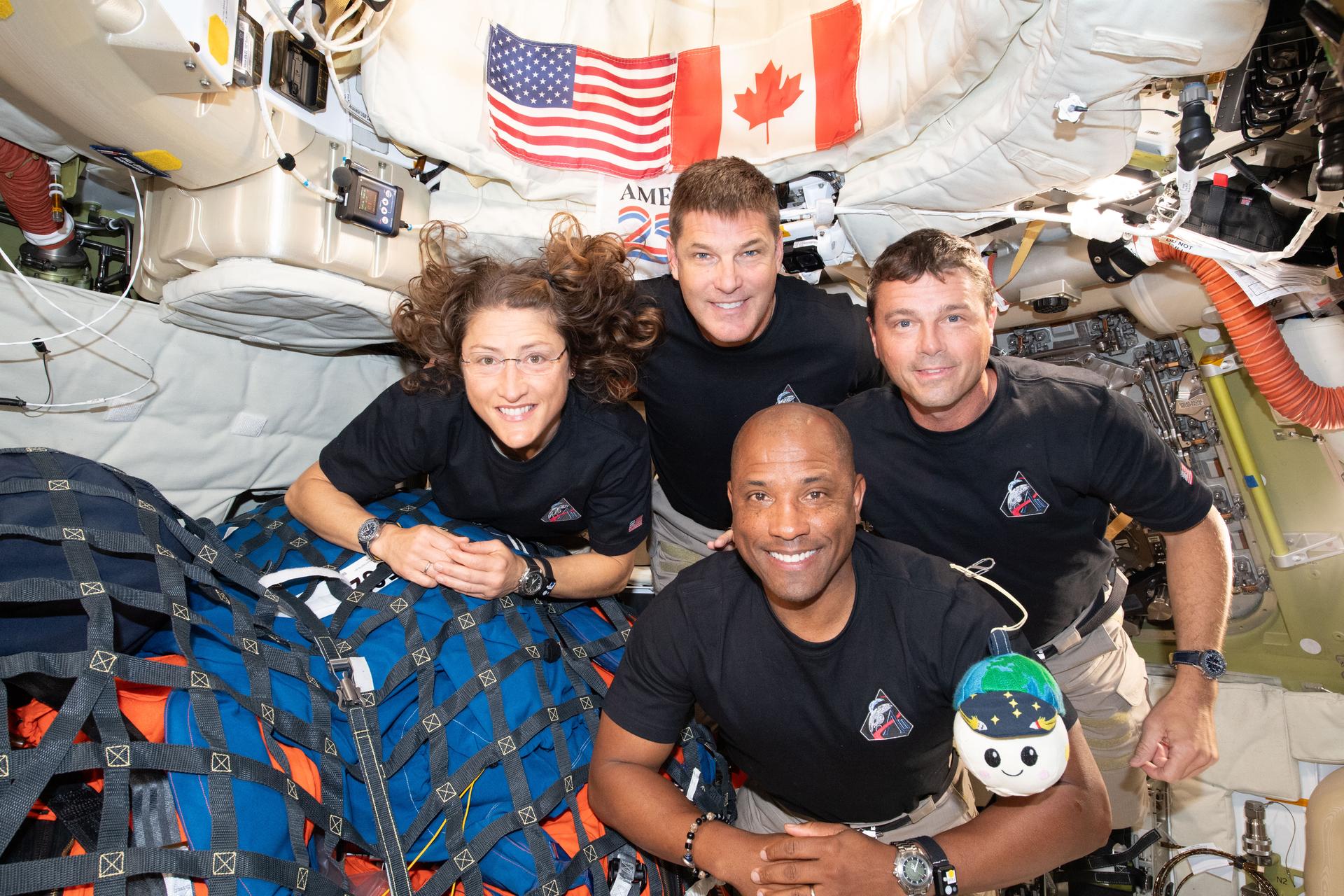
In our last blog, we reviewed the Artemis 2 mission that took astronauts around the Moon.
Now we’ll consider the outcomes of the historic mission.
We’ll look at the science and inspiration of Artemis 2.
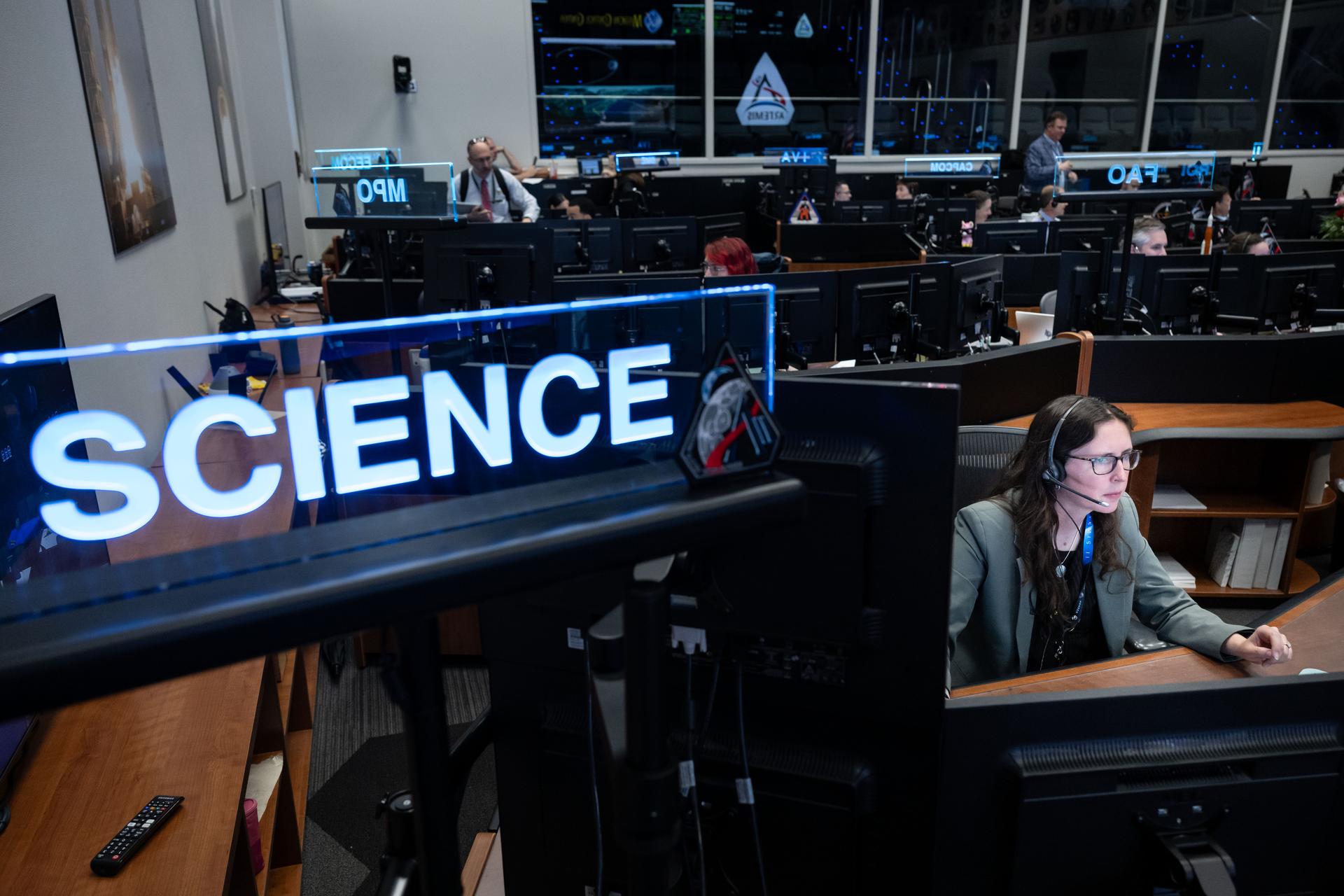
All our images are credited to NASA.
The science aims
Artemis 2 was a test mission for the SLS rocket, the Orion spacecraft and the crew.
The astronauts tested the capabilities of their Orion module, Integrity.
They carried out biomedical experiments during their 10-day journey.
At their flyby of the Moon, they took photos and gave audio descriptions of the far side of the moon.
In short, the mission embraced rocket science, spacecraft design, orbital mechanics and biomedical research.
Rocket Science
Artemis 2 was the first crewed flight for the Space Launch System, SLS.
This rocket, the most powerful ever built by NASA had problems.
Fuel leaks delayed the launch from February to April.
However when the day came, SLS performed in spectacular fashion.
A perfect lift off delivered the Orion spacecraft into orbit.

The Orion spacecraft
An unmanned Orion capsule had journeyed to the Moon in 2024.
Artemis 2 was the real test.
How would it’s life support systems cope with astronauts onboard?
And how would it perform in a future Moon landing?
The answer is that it performed well.
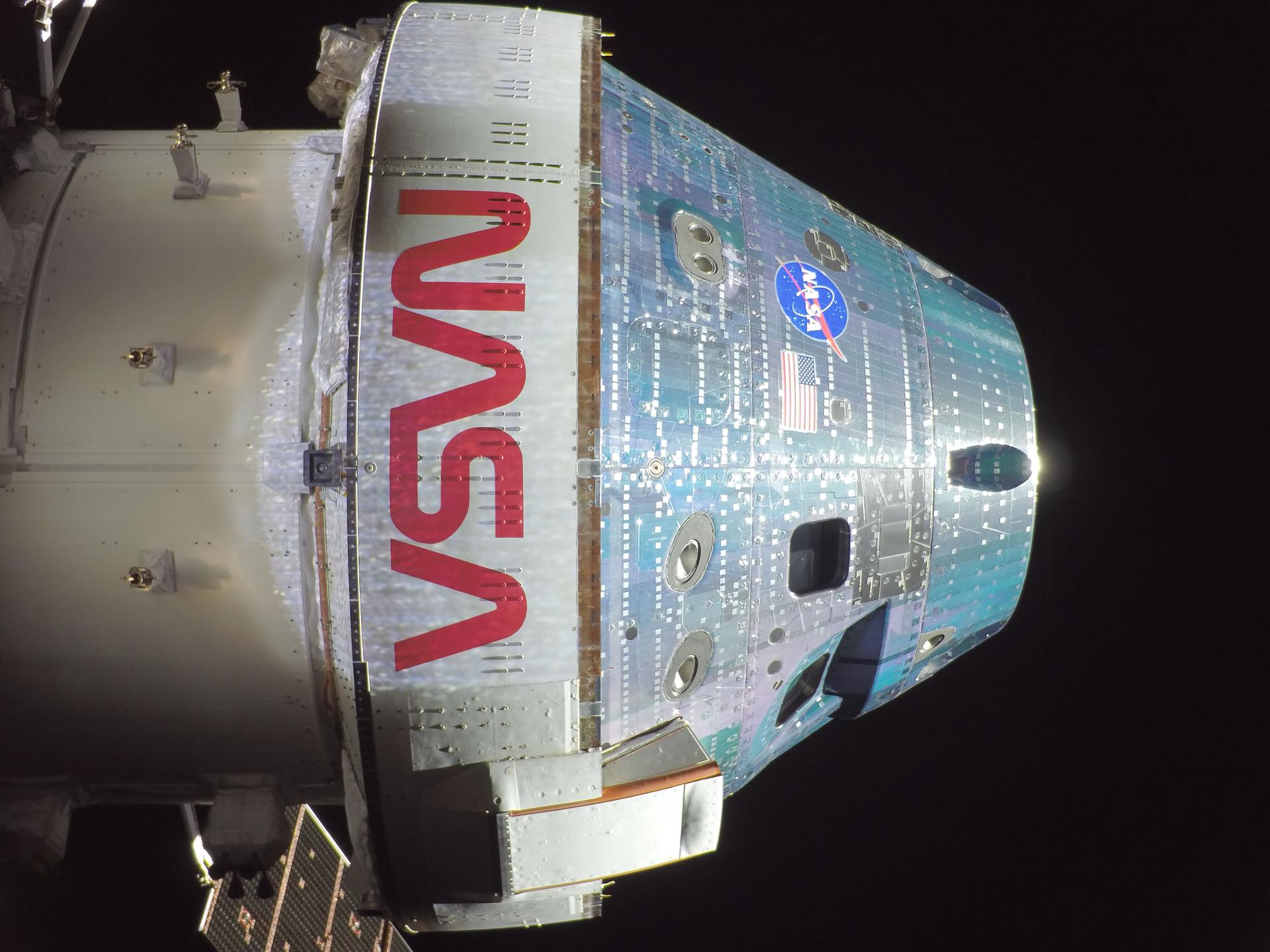
There were problems, true, especially with the toilet!
But overall, the Orion spacecraft was a great success.
The astronauts practised manual control. That would be needed in a Moon landing mission.
It’s heat shield had caused anxiety on Artemis 1.
On Artemis 2, it brought the astronauts safely through the blazing temperatures of reentry.
Biomedical Research
Space is a hostile environment for people.
Weightlessness, isolation, confinement and danger are stressful on the human body and mind.

Artemis 2 gave researchers a great opportunity to study astronaut health.
Here are some of the biomedical investigations carried out in the Artemis 2 mission.
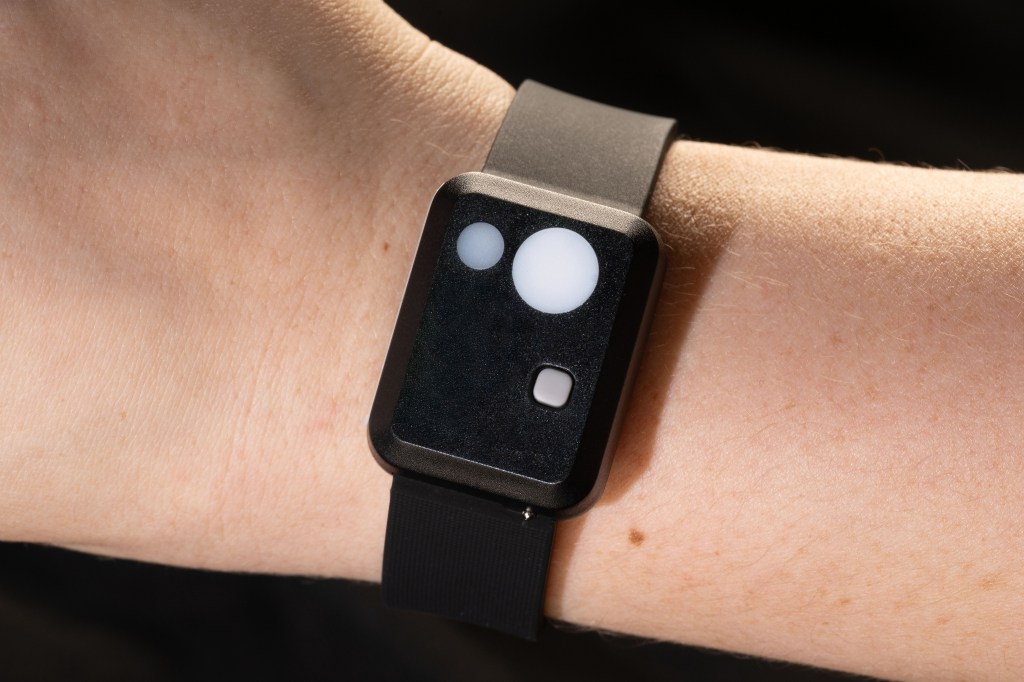
ARCHeR
In yet another contrived NASA acroynym, ARCHer monitored the astronauts well-being, sleep patterns and activity.
ARCHeR stands for Artemis Research for Crew Health & Readiness.
AVATAR
Another splendid acronym.
AVATAR is A Virtual Astronaut Tissue Analog Response experiment.
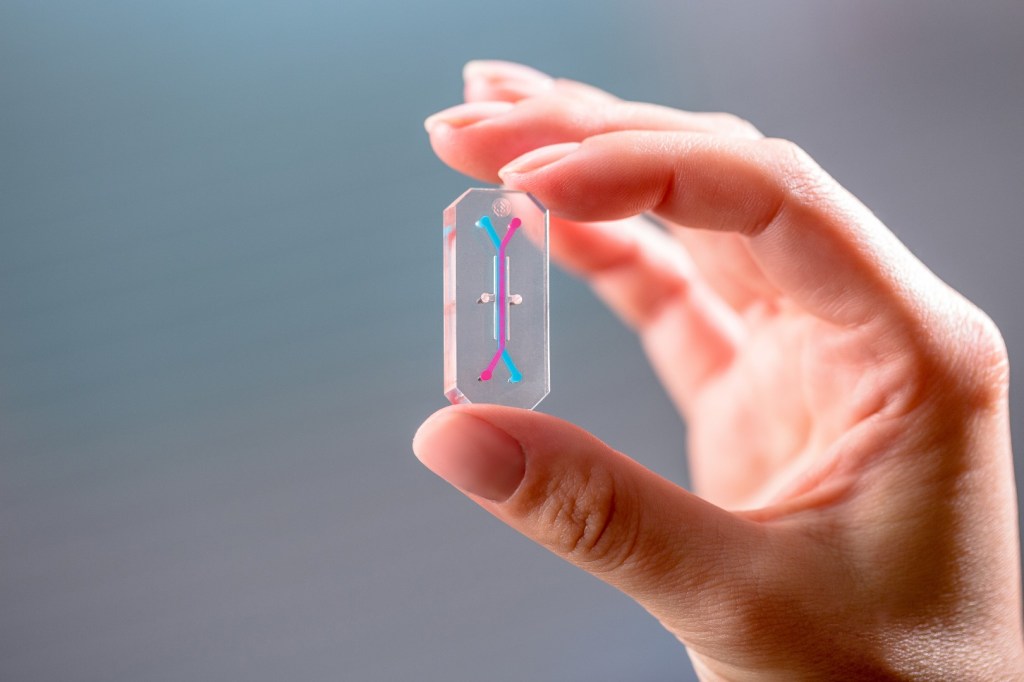
An AVATAR organ chip. Credit: Emulate
Bone marrow cells from each astronaut were placed on a small chip.
The reaction of the cells will be compared to biomedical data from the astronauts’ bodies.
The results could lead to personalised health for future individual astronauts.
The technology might be used on Earth to teat diseases such as cancer.
Artemis 2 Standard Measures
The Artemis 2 crew went through a series of body tests before the mission.
They included blood, urine, saliva and eye tests.
The tests will be repeated when the astronauts return to Earth.
Again, NASA is looking to the future and to landings on the Moon.
Radiation
Radiation from space, particularly the Sun, poses a health risk for astronauts on long duration missions.
The Orion spacecraft carried 5.600 passive sensors and 34 active sensors to detact radiation levels.
The results will help to keep future astronauts safe.

There’s more detail about these biomedical experiments on the NASA website.
Lunar Geology
Artemis 2 took the astronauts to the far side of the Moon.
They saw features never ever before seen with human eyes.
The mission provided a unique opportunity for the crew to photograph and describe the lunar landscape.

True, robotic missions had photographed the lunar far side.
But direct observation with the human eye and brain can add another dimension.
And that’s what happened.
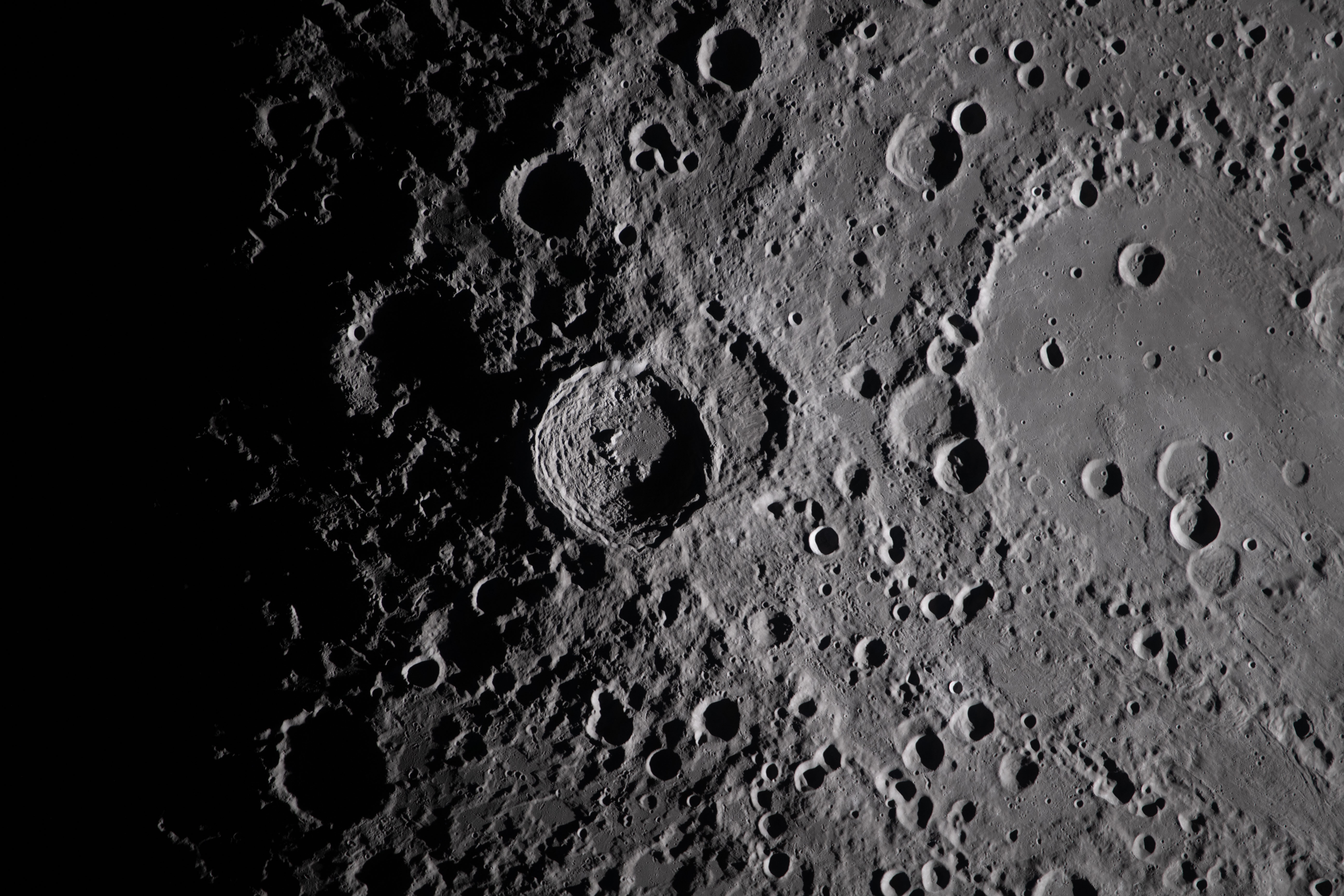
The crew members gave vivid descriptions of the lunar landscape.
If you would like more detail about the science studies of Artemis 2, please visit NASA’s website.
We’ll now turn to the people who carried out the scientific work: the wonderful crew.
They made a huge contribution to the success and inspiration of Artemis 2.
The Inspiration
The astronauts
The crew of Artemis 2 have played a major part in its success.
Their enthusiasm and commitment have shone through in their broadcasts.
Reid Wiseman, Jeremy Hansen, Victor Glover and Christina Koch have become household names.
They clearly enjoy each others company and seem very relaxed in the stressful environment of space.
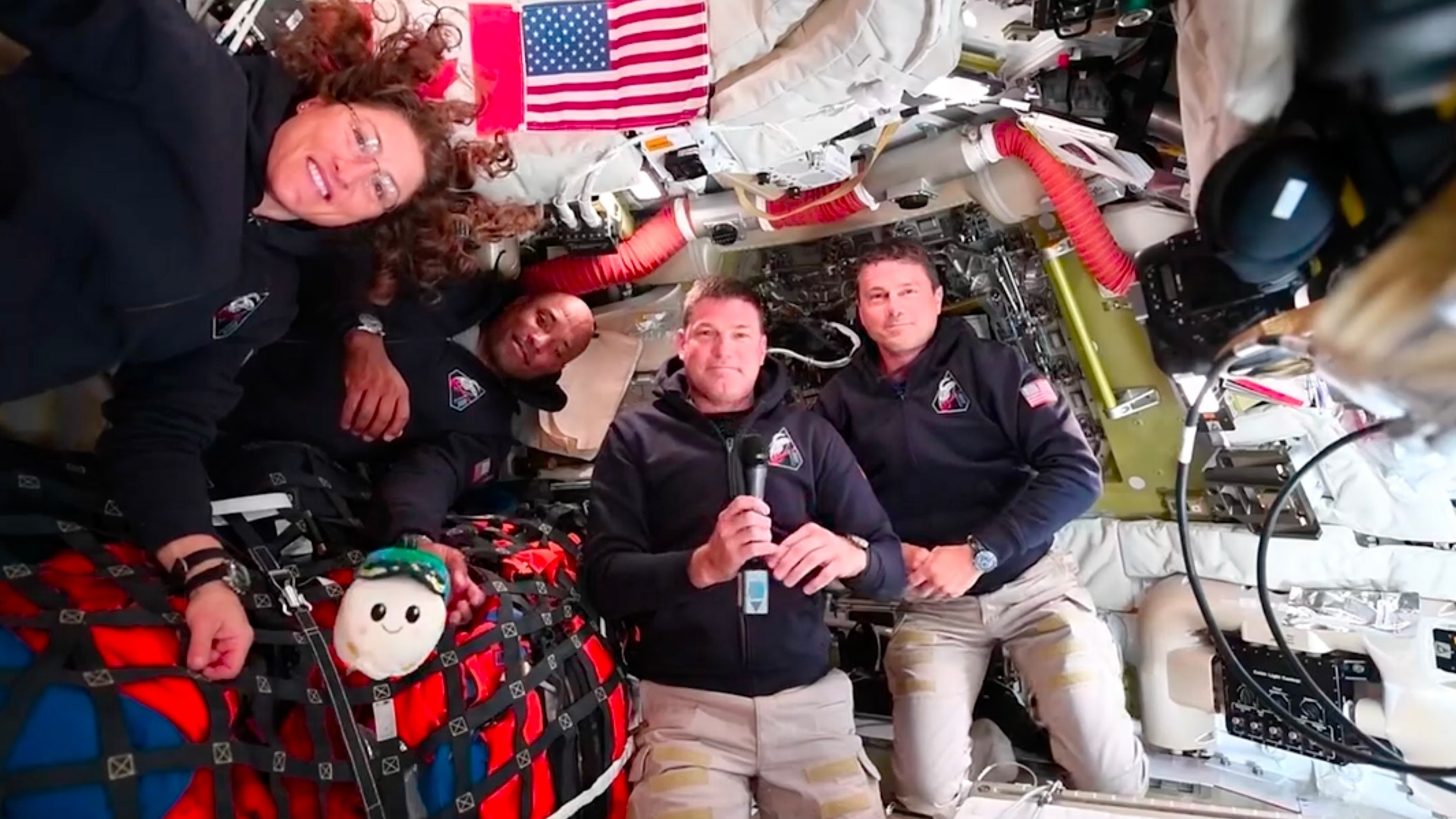
Their communication with us brought the mission into our homes.
This rapport with the world has set a great example for future missions.
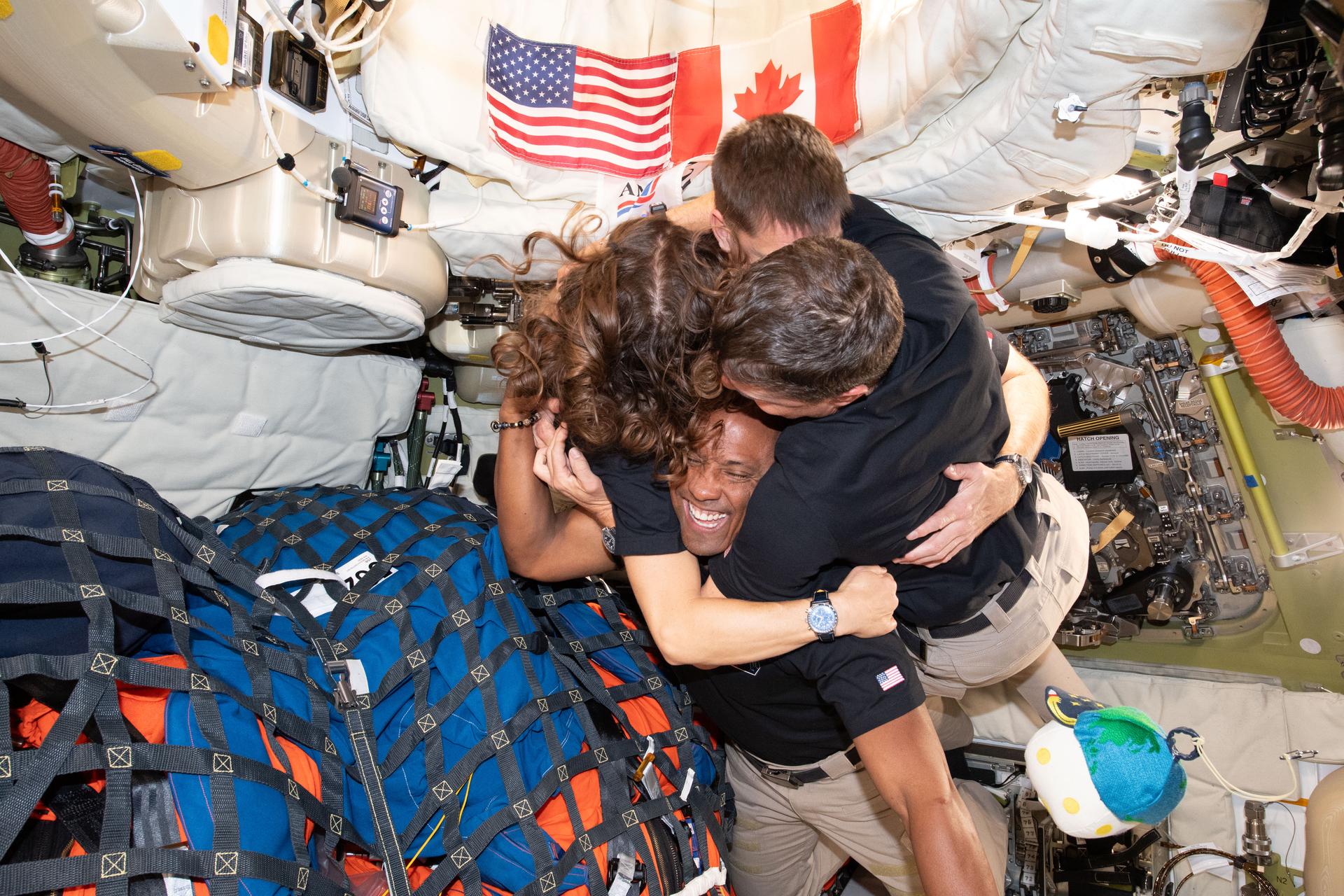
Everyone at Wonderdome sends their thanks and best wishes to these four remarkable people.
Global Attention
Artemis 2 was essentially a test flight for equipment and astronauts.
It also carried out valuable science.
But, like the Apollo missions over 50 years ago, Artemis has already sparked great interest in science, engineering and technology.
This is particularly true for young people, who may be inspired to make careers in the field.
Some may become rocket scientists. Some may become astronauts!
But perhaps the most important aspect of the mission was to capture the attention of the world.
In the midst of war and political unrest, here was an event which captured the positive side of human nature.
We could unite in watching amazing pictures on social media and TV.
Everyone could bathe in the warmth of achievement as the astronauts rounded the Moon and returned to Earth.
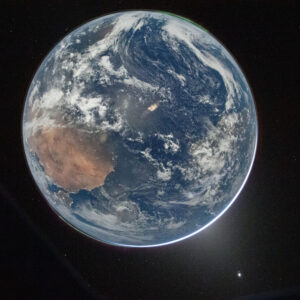
And when we looked at the image of Earth from space we had a graphic reminder what our world should be.
From space there are no borders.
From space there is no division, no reason for enmity, no cause for war.
Perhaps in going to back the Moon we’ll rediscover our Earth.
I’ll finish with the words from the Nanci Griffith song ‘From a Distance’:
From a distance we all have enough
And no one is in need
There are no guns, no bombs, no diseases
No hungry mouths to feed
From a distance there is harmony
And it echoes through the land
It’s the voice of hope, it’s the voice of peace
It’s the voice of every man
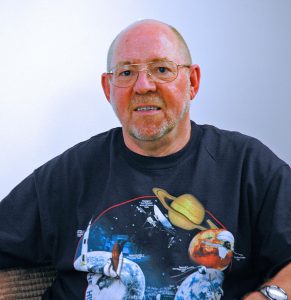
The author: Dennis Ashton, MBE, is a Fellow of the Royal Astronomical Society and a Wonderdome presenter.
In 2024, Dennis received the Special Contribution award from the British Association of Planetaria.
In 2025 he became a Member of the Order of the British Empire for over 50 years work in Astronomy Education.
WonderDome: Leading the Way in Mobile Planetariums
WonderDome offers a fully immersive experience, taking you on a journey through the cosmos. Perfect for all ages and abilities. We now boast a team of 15 presenters, located all over the UK, establishing us as the largest – and best – mobile planetarium organisation in the UK.
Stay Connected for Astronomy News and Events Follow WonderDome mobile planetarium on Twitter / X, Facebook, Instagram and TikTok to stay up to date on the latest news, shows and offers. Or visit our website at wonderdome.co.uk. WonderDome is part of the Service4Education Group